



The Rise of ‘Search Everywhere Optimization’ in 2026 – SEO, AEO, GEO, WTF Do They All Mean?
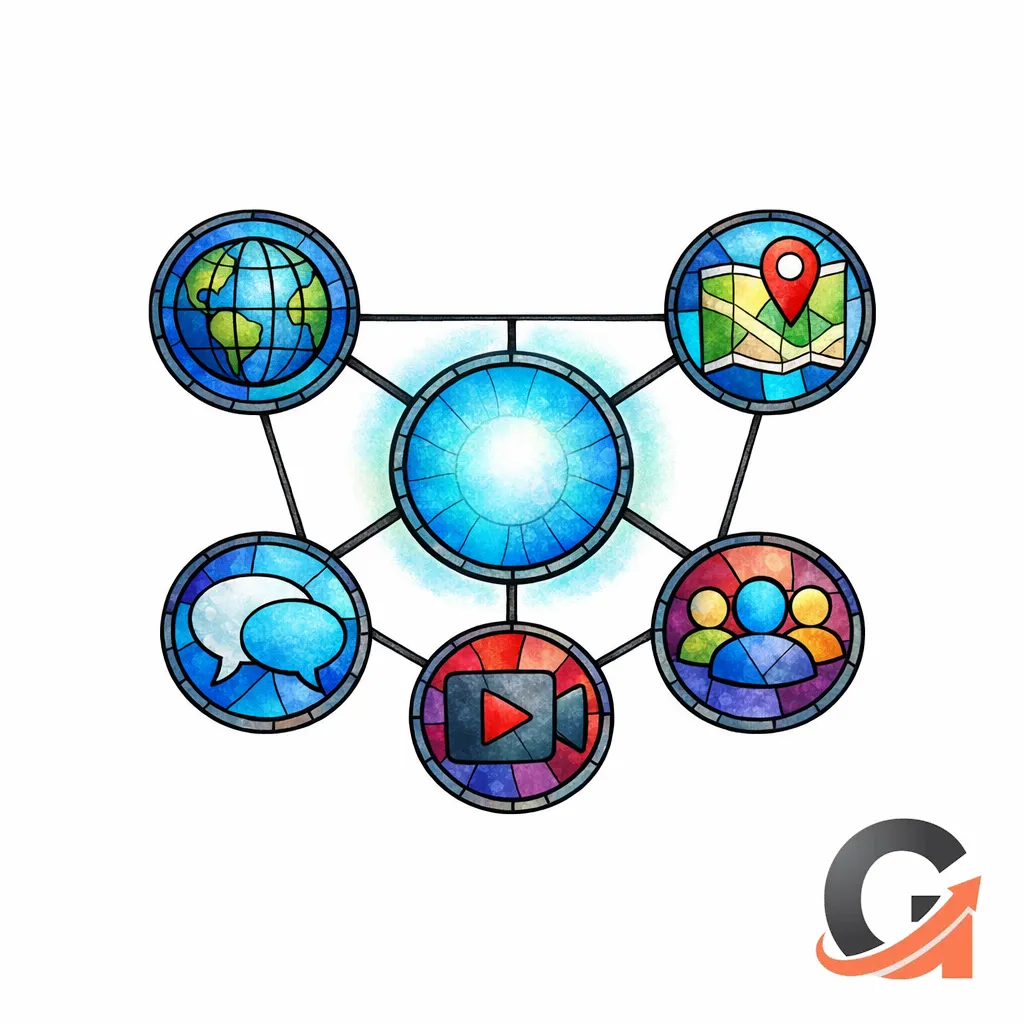
If you run marketing in 2026, you are not just “doing SEO” anymore. You are trying to get discovered across classic Google results, AI summaries, map packs, voice, social search, and the growing pile of “ask a chatbot” moments that happen before someone ever hits your website.
This article is for home services, healthcare, legal, BPO/receptionist providers, e-commerce, SaaS, multi-location brands, founder-led brands, publishers, agencies, and SEO marketers who need a simple, workable model. You will learn what people mean by Search Everywhere Optimization, how it relates to SEO vs AEO vs GEO, what changed heading into 2026, and exactly what to do next to win leads and revenue (not just rankings).
One quick note before we begin: yes, our brand name is Content God, short for “Content Generated on Demand.” We did not fully notice the whole “God” thing until it was too late, and if that startled you, that is fair.

Now take a deep breath and accept your fate. The era of “one search box, one set of blue links” is over, and omnipresence is the job. Let’s talk about how to earn it.
Search Everywhere Optimization (SEOx): the umbrella that makes the acronyms stop multiplying

Search Everywhere Optimization is a practical way to describe what modern organic growth actually requires: being discoverable wherever your customers look for answers, providers, products, proof, and next steps.
This is not a brand-new “replacement” for SEO. It is SEO expanded into multiple surfaces, formats, and decision moments, aligning with how Google describes the breadth of systems involved in how results are generated in How Search Works.
In 2026, “ranking a page” is only part of the mission. The bigger mission is: become the most usable, quotable, locally trustworthy, and conversion-ready source across the journey.
SEO vs AEO vs GEO: what the terms mean (and why they all exist)
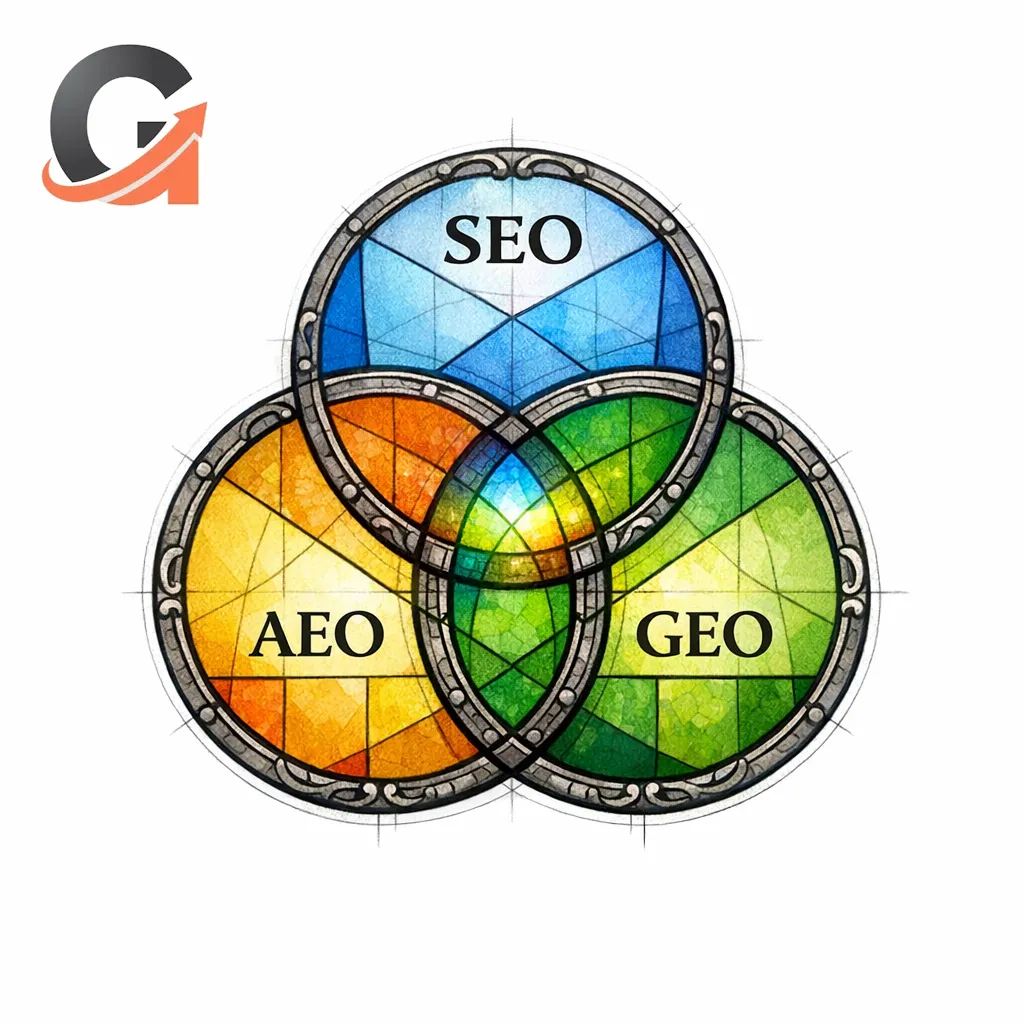
The acronyms are different labels for the same underlying pressure: searchers want answers fast, platforms want to keep users on-platform, and AI systems summarize information instead of sending clicks. So marketers created new names to highlight different parts of the same battlefield.
SEO (Search Engine Optimization)

Classic SEO is still the foundation: build pages that are crawlable, relevant, useful, and competitive in organic results. It is also the discipline of making sure your site meets the baseline expectations captured in Google Search Essentials.
If SEO is the foundation, it is because it controls the one asset you own: your website and its content structure. Without that, every other channel becomes rented attention with higher costs and weaker compounding.
AEO (Answer Engine Optimization)

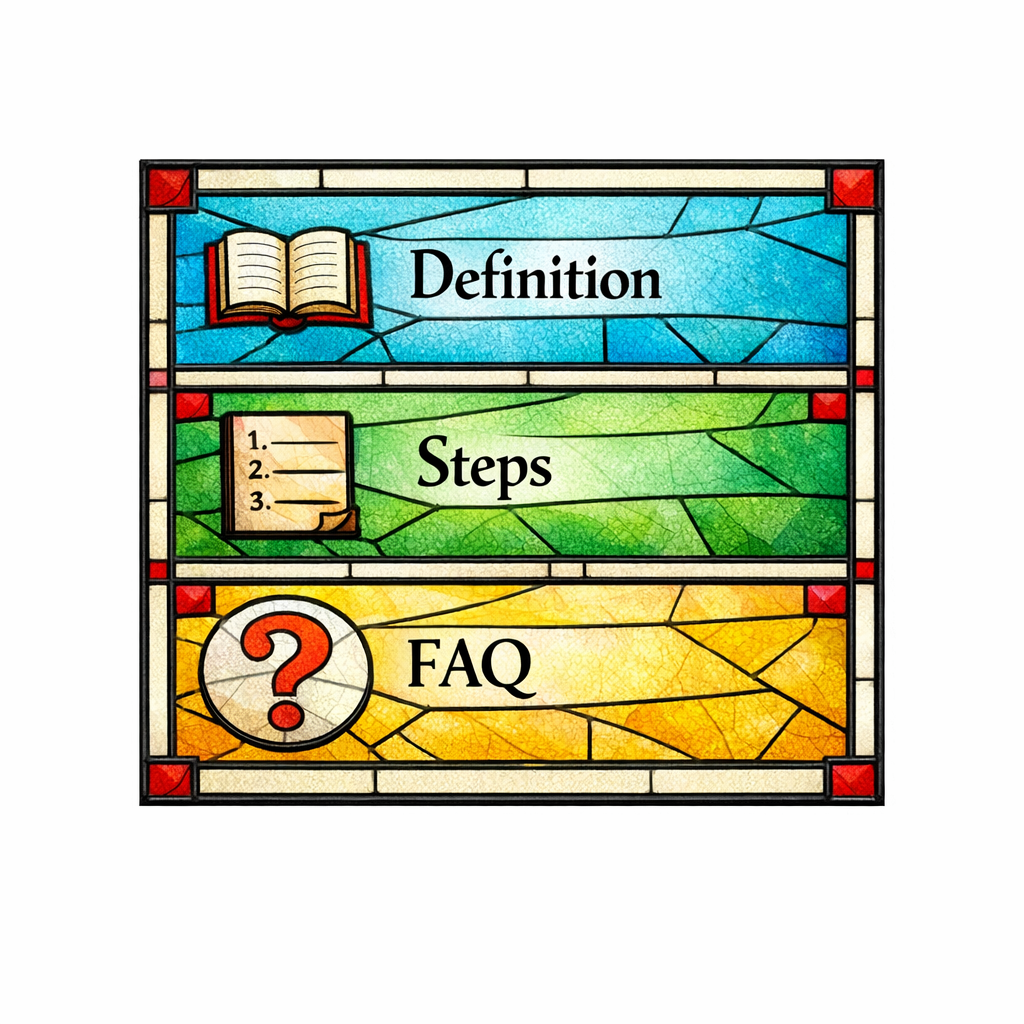
AEO is the habit of writing and structuring content so it can be lifted into direct answers. Think: clear questions, clean definitions, obvious steps, precise comparisons, and fast “is this right for me” guidance.
GEO (Generative Engine Optimization)
GEO is the practice of making your brand and content more likely to be used, summarized, and referenced by generative systems. In 2026, that includes experiences like Google’s AI-powered summaries, which Google has discussed as AI Overviews in Search.
GEO is not “tricking the model.” It is earning machine-readable clarity and human-readable trust so that when systems generate responses, your information is the safest, cleanest material to build with.
So what is “Search Everywhere Optimization” really?

Search Everywhere Optimization is simply the mature view: SEO + AEO + GEO + conversion. It treats content as a distributed asset that must perform in multiple contexts, not just on a single SERP.
If you like a clean mental model, use this: SEO gets you indexed, AEO gets you quoted, GEO gets you summarized, and “everywhere” gets you chosen.
What changed heading into 2026 (and why your old playbook feels weaker)

The main shift is not that “SEO is dead.” The shift is that more searches resolve without a traditional click because the interface itself delivers a summary, a list, a map result, or a next action.
Google has been explicit that Search is made of many systems and features, not a single list of links, in How Search Works. That matters because your optimization target is no longer “the ten blue links.” It is the whole results experience.
On top of that, generative summaries and assistant-style responses are now a first-class interface for many users, as reflected in Google’s own rollout messaging around AI Overviews in Search. When the interface answers, your content must be answer-ready and credibility-heavy, or it gets ignored.
Finally, the quality bar is rising, especially in categories where trust and safety matter. Google’s Search Quality Rater Guidelines describe heightened expectations for “Your Money or Your Life” topics and emphasize signals like experience, expertise, authoritativeness, and trust.
The real game in 2026: become the easiest “safe source” to use

Here is the uncomfortable truth: the web is noisy, and AI systems dislike noise. They prefer structured, consistent, well-supported information that can be extracted and verified.
So Search Everywhere Optimization is not primarily about producing more content. It is about producing content with less ambiguity, more proof, and clearer structure, so every surface can reuse it.
1) Build “entity clarity” so platforms understand who you are and what you do

Entity clarity means your site makes it painfully obvious what your company is, who you serve, where you operate, and what outcomes you deliver. It is not mystical. It is repeated, consistent labeling across your navigation, service pages, location pages, and supporting content.
For local businesses and multi-location brands, this also means consistent business details and categories across your web presence. If you treat your brand facts as optional, the platforms will “fill in the blanks,” and they will not fill them in kindly.
- Home services: separate pages for each core service and each major service area, with clear emergency vs non-emergency positioning.
- Healthcare: separate pages for each condition, treatment, and patient type, with reviewer credentials and update dates.
- Legal: separate pages for each practice area and case type, with jurisdiction clarity and intake pathways.
- SaaS: separate pages for each use case, integration, and competitor comparison, with proof and screenshots.
- E-commerce: collection pages that answer buyer questions, not just list products.
2) Make trust visible, not implied

In 2026, “trust me” copy is weak. You need trust that can be audited quickly: real names, real credentials, real policies, real proof, and real specificity.
Google’s Search Quality Rater Guidelines repeatedly emphasize trust as a central evaluation lens, especially for content that could impact health, finances, or major life decisions. Even if those guidelines are not a direct ranking checklist, they reflect what “high quality” looks like when humans assess your content.
- Put author or reviewer info on the page when expertise matters (health, legal, finance, safety).
- Show licensing, insurance, certifications, and memberships where relevant.
- Use specific examples, limitations, and “when to call a pro” guardrails (especially in medical and electrical content).
- Publish clear contact information and customer support paths.
3) Structure your content so machines can extract it cleanly
If your content is one long wall of text, it is harder for search systems to interpret and reuse. Clean headings, tight paragraphs, and explicit Q&A blocks make your pages more “answerable” without dumbing them down.
When appropriate, use structured data to clarify what a page is about, which Google describes in its documentation on intro to structured data. Under the hood, much of that vocabulary is standardized via Schema.org, which provides a shared set of types and properties used across the web.
- Turn key sections into mini “definitions,” “steps,” and “requirements” blocks.
- Use FAQ-style subheads when it matches real user intent, not as filler.
- Summarize the answer first, then provide depth and nuance.
- Ensure the page still reads naturally to humans, because humans still decide.
4) Win local trust, because local intent is high-intent
If you sell services in a geographic area, local visibility is not a bonus channel. It is often the channel that prints money.
Take your Google Business Profile seriously, and follow Google’s Business Profile guidelines so you do not sabotage yourself with category spam, address tricks, or policy violations. The goal is simple: make your business easy to verify, easy to contact, and easy to choose.
- Home services: service categories, service area settings, photos of real teams, and quote-friendly messaging.
- Healthcare: accurate hours, appointment methods, and patient communication expectations.
- Legal: correct practice categories, consultation options, and a frictionless call path.
- BPO/receptionists: clear service definitions and differentiators (coverage hours, integrations, scripts).
5) Keep the technical basics boring (and correct)
You do not need technical theatrics. You need technical reliability: crawlability, indexability, speed that supports conversions, and a site structure that makes sense.
Use Google Search Essentials as your baseline for what “good citizen” websites do. Then focus your energy on content quality and offer clarity, because those are the multipliers across every surface.
How to build content that performs “everywhere” (without publishing yourself into exhaustion)
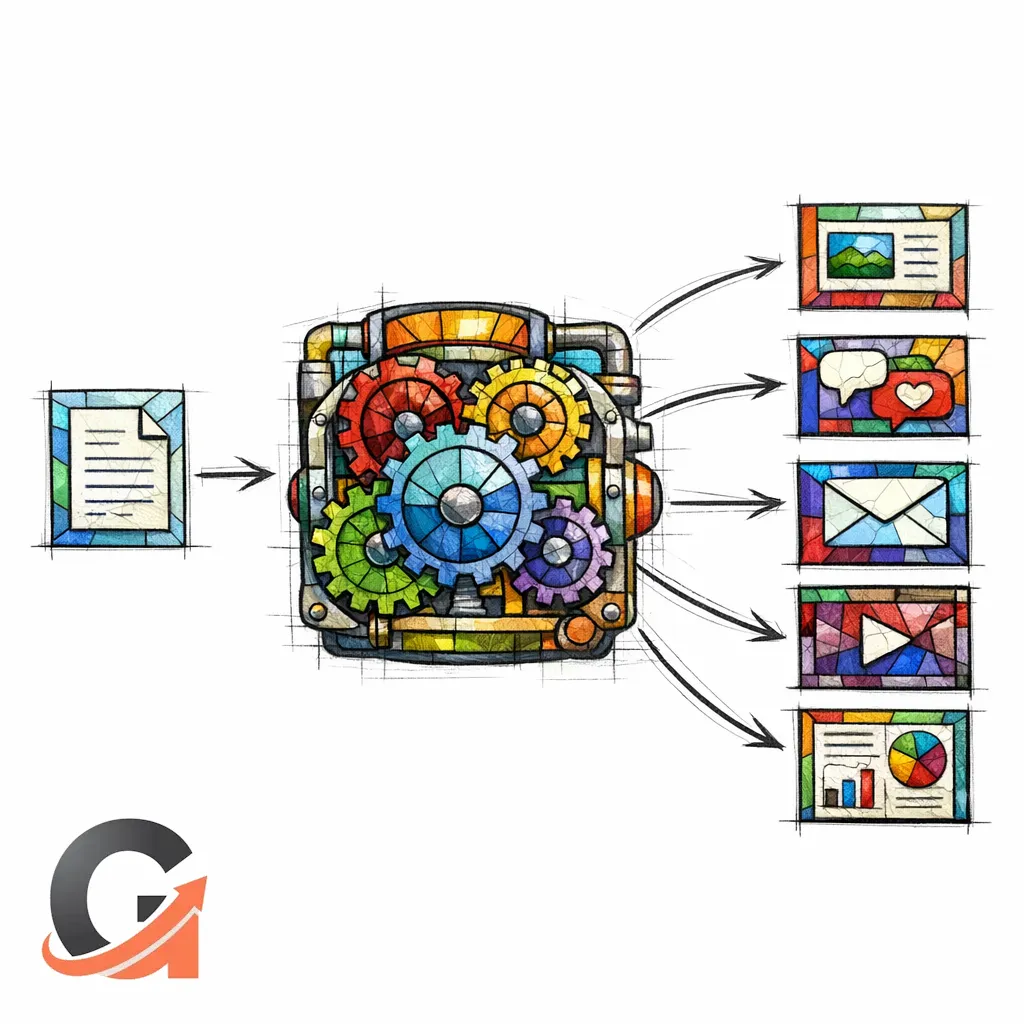
Search Everywhere Optimization does not mean you must be on every platform every day. It means your core content must be modular and reusable, so one good asset can become many helpful touchpoints.
Think in terms of a content system, not a content calendar. Your system should produce pages that can rank, answer, summarize, and convert.
The 6 asset types that carry the most weight

These formats do the heavy lifting because they match real intent and can be repurposed into snippets, summaries, social posts, email sequences, and sales enablement.
- Service pages: what you do, who it is for, pricing ranges (when possible), process, timelines, proof, FAQs, and next step.
- Location pages: area-specific trust, proof, and constraints (travel fees, response time windows, permitting norms).
- Comparison pages: “X vs Y” and “best for” breakdowns that help decision-makers choose.
- Problem/solution guides: symptoms, causes, risks, DIY limits, and professional options.
- Glossary pages: definitions that become answer targets.
- Proof pages: case studies, portfolios, before/after galleries, outcomes, and testimonials.
Write like you want to be quoted correctly

AEO and GEO both reward a specific writing style: precise, calm, structured, and referenced to reality. You are not trying to sound clever. You are trying to be the safest source in the room.
- Use plain-language definitions early in the page.
- Make claims you can support with evidence (photos, data, credentials, policies).
- Separate “always true” statements from “depends” statements.
- Include constraints and exceptions, because that is where trust lives.
Make “next step” obvious, because being found is useless without conversion

Many brands treat conversion like a separate department. In Search Everywhere Optimization, conversion clarity is part of the ranking and selection battle because users bounce fast when a page feels vague.
Every page should answer: What is this? Is it for me? What will it cost (at least directionally)? What happens next? How fast can I get help? What proof do you have? How do I contact you right now?
Industry-specific playbooks: what “everywhere” means for your business

Different industries win on different trust signals. The core mechanics stay the same, but the emphasis changes.
Home services (HVAC, plumbing, electrical, roofing, landscaping, pest control)
Your customers search in emergencies, with high urgency and low patience. Search Everywhere Optimization for home services is about owning the “fix it now” intent while building enough trust that a stranger invites you onto their property.
- Build service + city pages that reflect real job types, not generic templates.
- Create troubleshooting guides that include safety limits and “call a pro” triggers.
- Show proof that you actually do the work: trucks, teams, permits, before/after.
- Strengthen local presence by keeping your profile compliant with Google’s Business Profile guidelines.
Healthcare and health-adjacent brands

Healthcare content is judged by trust first and style second. Your content should be conservative, sourced, reviewed, and clear about what it can and cannot claim.
Because health content is often “Your Money or Your Life,” it is smart to align your editorial standards with the expectations described in the Search Quality Rater Guidelines. In practice, that means visible medical review, careful phrasing, and pages that help users take appropriate next steps.
- Use condition/treatment hubs that connect definitions, risks, and care pathways.
- Publish “who is this for” and “who should not do this” sections.
- Make it easy to verify credentials and contact real support.
Legal and law firm marketing teams

Legal search is a trust-and-intake game. People want certainty, but the correct answer is often “it depends,” so your pages must educate without overpromising.
- Create practice-area pages that address eligibility, timelines, and common misconceptions.
- Build comparison content (“settlement vs trial,” “contested vs uncontested”) that reduces anxiety and increases qualified calls.
- Use plain-language explanations, then offer deeper sections for serious researchers.
BPO, call center, and receptionist services

These buyers are comparing vendors, not browsing a blog for fun. “Everywhere” means showing up with clear differentiators and frictionless evaluation content.
- Publish integration pages, use cases, and “who it’s not for” pages to qualify leads.
- Build comparison pages that buyers already search for (alternatives, pricing models, coverage).
- Use proof: QA processes, security posture at a high level, onboarding timelines, case studies.
E-commerce brands
E-commerce wins when education reduces returns and increases confidence. Search Everywhere Optimization means your products are discoverable, but also explainable.
- Write buyer guides that map to real intent (“best for,” “vs,” “size guide,” “care,” “materials”).
- Make category pages answer questions, not just list SKUs.
- Use structured data appropriately, following Google’s structured data guidance, so your product information is clearer to systems.
SaaS and technology companies
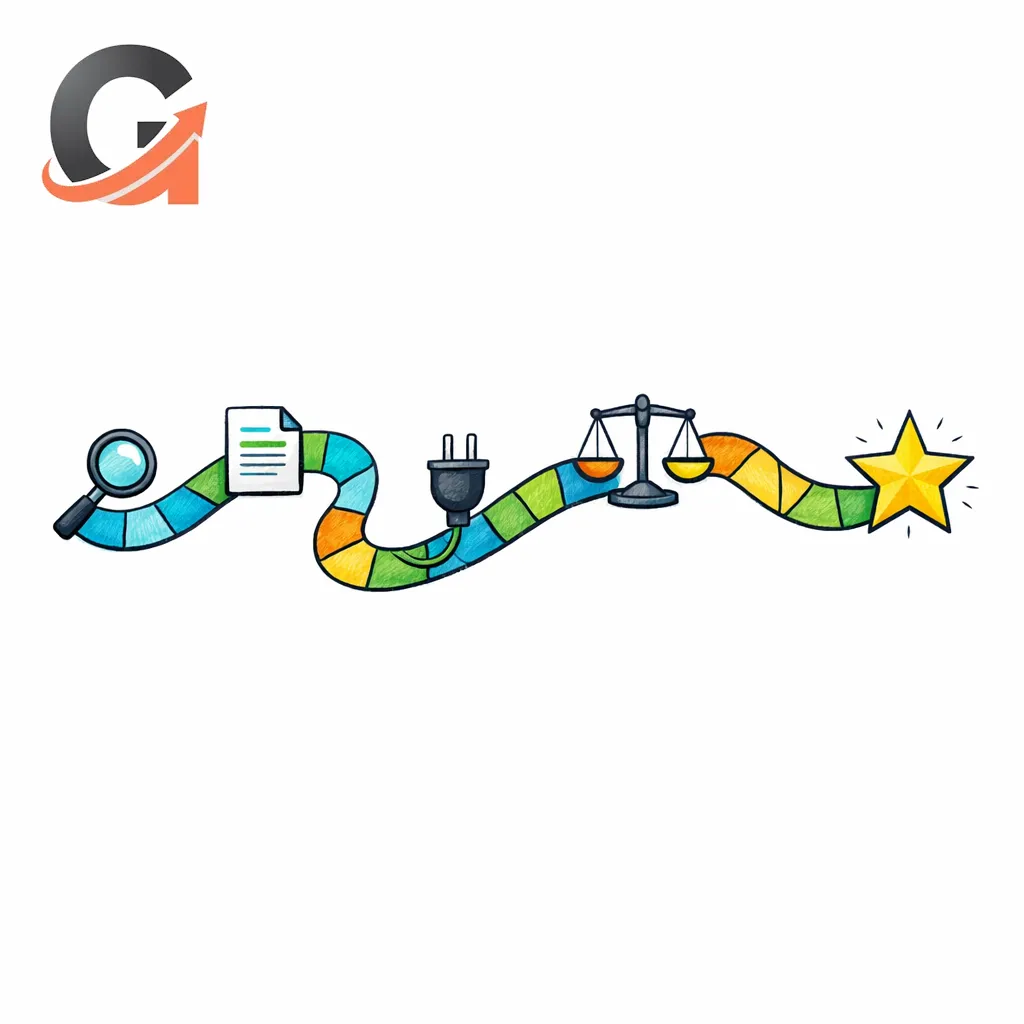
SaaS buyers self-educate across multiple channels, then show up late in the funnel with strong opinions. “Everywhere” means your product narrative is consistent across search results, AI summaries, integrations, and comparison moments.
- Create use-case landing pages that speak to roles and industries, not just features.
- Publish integration pages with screenshots and realistic setup steps.
- Build “alternatives” and “compare” pages that are fair, specific, and proof-driven.
Common mistakes and misconceptions (the stuff that quietly kills visibility)

Mistake 1: Treating SEO, AEO, and GEO as separate departments
When teams split these into separate initiatives, the result is duplicated effort and inconsistent messaging. A single well-structured page can rank, answer questions, and feed summaries if it is written with clarity and supported by proof.
The goal is one system, many outputs. Not many systems competing for attention.
Mistake 2: Chasing “AI optimization hacks” instead of building extractable clarity
If your strategy is “How do I get the bot to mention me,” you will keep spinning. If your strategy is “How do I become the clearest source on the topic,” you will compound.
Search is still grounded in systems and guidelines about quality and usefulness, which Google frames in Search Essentials. The most durable advantage is being the best answer, not the loudest one.
Mistake 3: Publishing thin FAQ pages that add no value
Answer formatting is not the same as answering well. If your FAQ pages are just keyword wrappers with vague replies, they can hurt trust and waste crawl budget.
Make each answer actionable. Add steps, caveats, examples, and a next step that fits the user’s situation.
Mistake 4: Forgetting that “everywhere” still needs a home base
Your website is the canonical source of truth for your brand. If you do not maintain a clean, consistent site architecture, you will struggle to control what other platforms repeat about you.
Search Everywhere Optimization does not replace your site. It makes your site more central, because everything else borrows from it.
Mistake 5: Measuring only rankings and ignoring outcomes
In 2026, visibility can look like a mention, a map impression, a summary quote, or a brand search later. So measurement needs to include leads, calls, bookings, demos, and revenue attribution, not just “position.”
If you are not tying content to conversion paths, you are building a library, not a growth engine.
What to do next: a practical Search Everywhere Optimization checklist
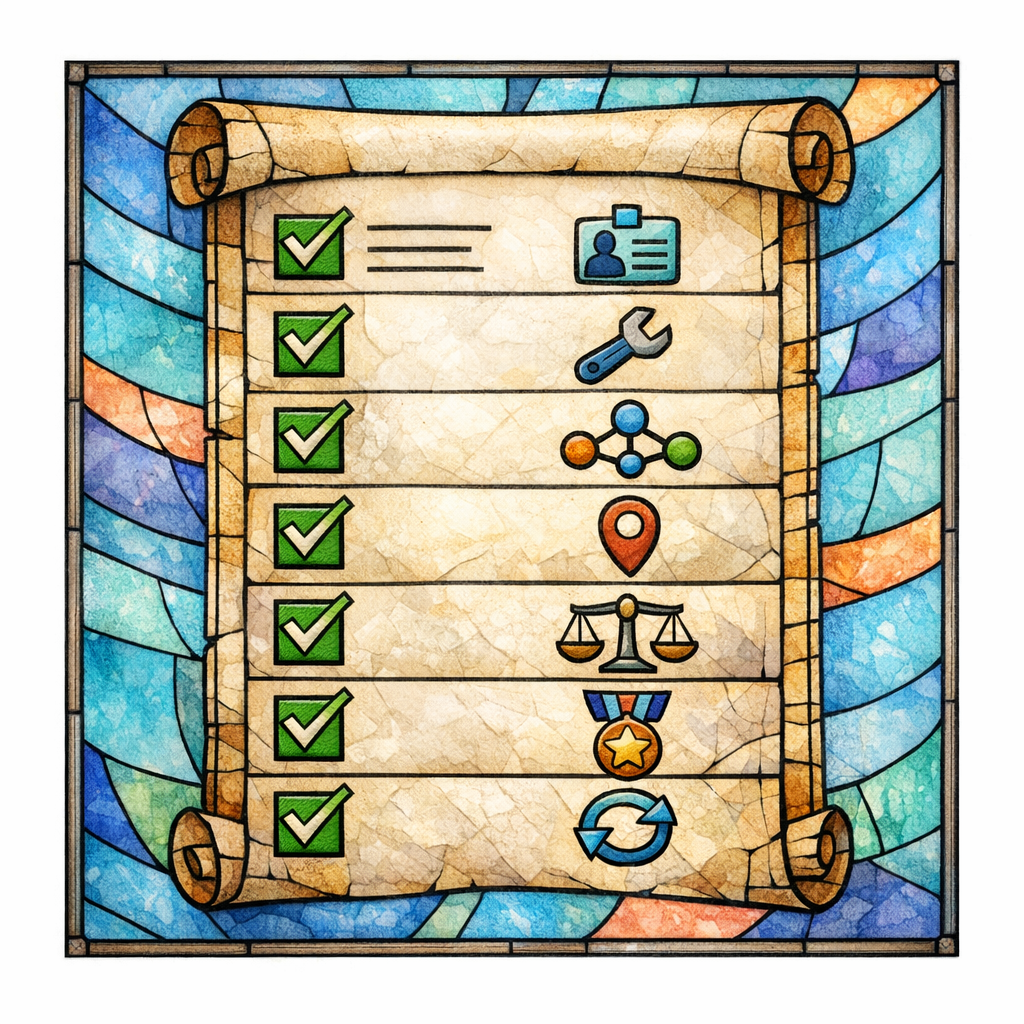
This is the part where you stop reading, pick a lane, and execute. Do these in order, and you will feel momentum quickly.
- Inventory your money pages: list your top services, top locations, and top conversion paths.
- Fix your “who we are” clarity: make business name, services, service area, and differentiators consistent site-wide.
- Upgrade 5 priority pages: rewrite for answer-first clarity, add proof, and make next steps obvious.
- Add structured data where it truly fits: follow Google’s intro to structured data and use Schema.org types carefully.
- Strengthen your local foundation: align your profile with Google’s Business Profile guidelines, then build content that supports those categories and services.
- Build one “comparison” and one “best for” asset: these are decision accelerators in almost every industry.
- Publish one proof asset per month: case study, before/after, outcomes story, or a documented process that demonstrates competence.
- Create a refresh schedule: update key pages quarterly so your best assets stay current, consistent, and useful.
Get found everywhere with Content God

If you are a marketer, you already know the trap: the strategy is clear, but the production never ends. Search Everywhere Optimization requires consistent, high-quality pages that can rank, answer, and convert, and that means you need a content pipeline you can trust.
This is where Content God shows up, quietly omniscient and inconveniently consistent. We help teams build the repeatable systems and publish-ready content that make your brand the “safe source” across search results, answers, summaries, and the moments that actually create revenue.
Get a free SEO audit today!
Stop praying for better search results — download your free copy of the SEO Bible and learn the true path to SEO Salvation.