




Local SEO Content Plan for Home Services: A 90-Day Calendar That Drives Calls
How local SEO actually works (so your content plan isn’t random)

For local businesses, your goal is to win visibility in the places customers actually click: local results and your own local landing pages. Google explicitly describes local rankings in terms of relevance, distance, and prominence, so your content plan must improve those three signals, not just “publish blogs.”
Prominence is not just “being famous.” Google notes that prominence can consider things like review count and review score, plus information it finds about your business across the web, which is why local SEO content must be paired with proof and consistency.
What “content” means in local SEO (for home services)

In home services, content is not only blog posts. It is every page and profile element that answers: “Do you do this service, in my area, right now, and can I trust you?”
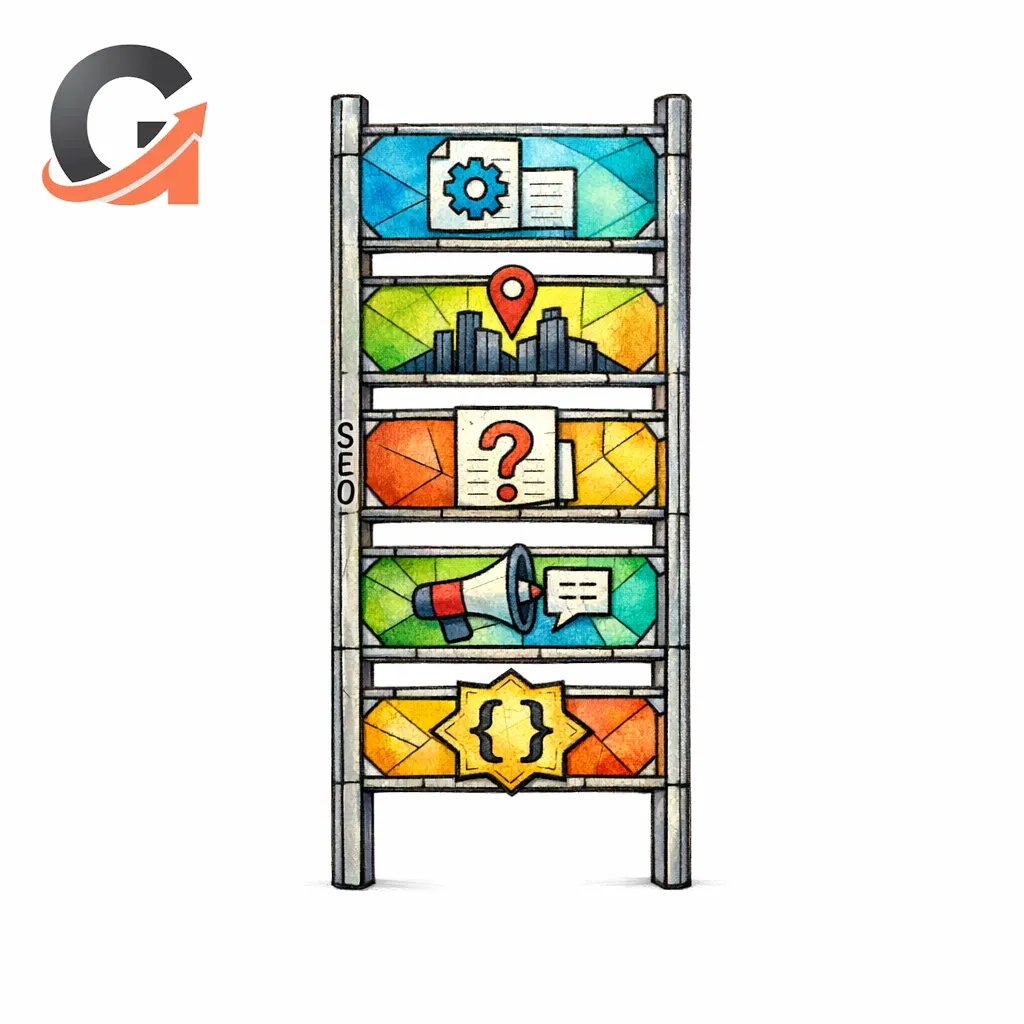
To keep your plan grounded, treat local SEO content as five assets you build on purpose: service pages, location pages, supporting articles, Google Business Profile updates, and trust proof (reviews, photos, credentials).
- Service pages: the conversion workhorses (repair, install, replacement, maintenance, emergency).
- Local landing pages: city and neighborhood pages that match service areas and search intent.
- Supporting content: short, high-intent articles that answer questions and reduce fear.
- Google Business Profile content: posts, photos, and updates customers see before they reach your site.
- Trust content: reviews, FAQs, licenses, warranties, financing, and “what to expect” pages.
What changed and what’s new (the 2024–2026 reality check)
Local SEO keeps evolving, but the winning pattern stays the same: help people, prove legitimacy, remove friction. Google’s guidance has become increasingly explicit about building helpful, reliable, people-first content, which is exactly what a good home services content plan should do anyway.
Two practical shifts matter for home services teams planning 90 days out. First, if you ever relied on the free website generated from a Business Profile, Google has turned off websites made with Google Business Profile, which makes your owned website and local landing pages even more important. Second, Google’s public guidance increasingly emphasizes “helpful content” principles and fundamentals over hacks, which aligns with Google Search Essentials and rewards businesses that publish clear, specific pages that match real customer needs.
The local SEO content stack (publish in this order)

If you are a home services business, you do not earn trust by posting “5 tips” forever. You earn trust by making it effortless for Google and customers to understand your services, your service area, and your credibility.
Use this priority order so your first 30 days produce lead-ready pages, not just content for content’s sake.
1) Core service pages (the money pages)
Create one page per core service. Keep it painfully specific (what it is, who it’s for, warning signs, process, pricing factors, and how to schedule).
Build these pages so they can be internally linked from everywhere else, because internal linking helps Google understand site structure and what you consider important, as long as links remain crawlable and logical per Google’s guidance on crawlable links.
- HVAC: AC repair, furnace repair, heat pump install, seasonal maintenance, emergency HVAC.
- Plumbing: drain cleaning, water heater repair/replace, sewer line services, leak detection, emergency plumber.
- Electrical: panel upgrades, outlet and switch repair, lighting install, EV charger install, emergency electrician.
- Roofing: roof repair, roof replacement, storm damage, inspections, gutters.
2) Local landing pages (service area pages that deserve to rank)
Your local landing pages should exist because you truly serve the area, not because you want to “spray and pray” cities. The goal is to improve local relevance while making it easy for a resident to see coverage, response time expectations, and social proof in their area.
Done right, these pages also support “near me” intent, because customers often type the phrase but mean “local and available.”
- One template, customized per location with area-specific proof (projects, testimonials, common issues, photos).
- Unique intro and service callouts per city (avoid copy-paste footprints).
- Clear conversion elements: tap-to-call, request form, service hours, emergency availability.
3) Supporting articles (high-intent, fear-reducing content)
Blog content for home services is not about going viral. It is about intercepting anxious homeowners early and guiding them to a service page when they are ready.
When you write these pieces, align them with Google’s “helpful content” principles by being specific, honest, and experience-based, consistent with Google’s people-first guidance.
- Problem recognition: “Why is my AC blowing warm air?”
- Urgency: “Is a burning smell from an outlet dangerous?”
- Cost framing: “What affects the cost of a water heater replacement?”
- Comparison: “Repair vs replace: when to replace a furnace.”
- Preparation: “What to expect during a panel upgrade.”
4) Google Business Profile content (visibility before the click)
Your Google Business Profile is often the first impression. Use Posts to announce seasonal offers, emergency service availability, and trust signals (warranties, financing, certifications) because Google provides specific features to create and manage posts on your Business Profile.
Keep Posts short, local, and action-oriented. Think “what a customer needs today,” not “what we want to say.”
5) Structured data (make your page easier to understand)
Structured data does not replace good content, but it can help search engines interpret key elements on your pages. Use it carefully and only where appropriate, following Google’s structured data introduction and guidelines.
For home services, common wins include adding structured data to reinforce your organization details, service pages, and FAQs when the content is actually present on the page.
Your 90-day local SEO content calendar (built to drive calls)
This calendar assumes you can publish 2–3 items per week (a “publishable item” can be a new page, a significant upgrade, or a Google Business Profile post). If you have more capacity, expand within the same order of operations.
Each week includes a primary output, supporting tasks, and the internal linking you should add so every new piece strengthens the whole site.
Days 1–30: Build the foundation that converts
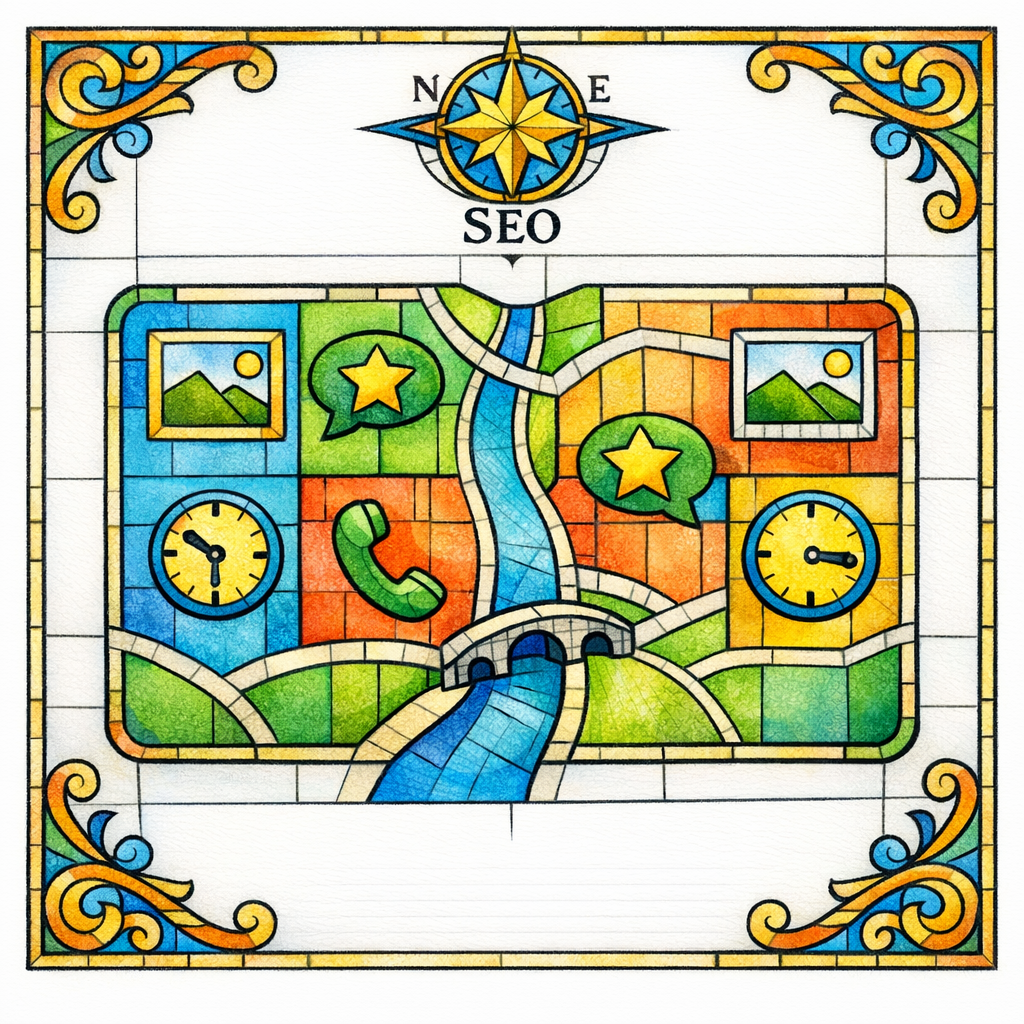
In the first 30 days, you are not chasing volume. You are creating the minimum set of pages that lets Google and customers understand what you do, where you do it, and why you are the safe choice.
Week 1: Map services, markets, and conversion paths
- Primary output: a one-page “Service + City” map (your internal plan) listing core services and top service areas.
- Supporting tasks: decide your primary conversion (calls vs forms), define emergency hours, and list top objections you hear on calls.
- Internal linking: identify which page will be your top-level hub (often the homepage or a “Services” hub page).
Week 2: Publish or rewrite your top 2 service pages
- Primary output: 2 core service pages (example: “AC Repair” and “Furnace Repair”).
- Supporting tasks: add proof blocks (licenses, guarantees, financing, testimonials).
- Internal linking: link from the homepage and services hub to each new service page using descriptive anchor text.
Week 3: Publish your next 2 service pages (including an emergency angle)
- Primary output: 2 more service pages (example: “Emergency HVAC” and “Heat Pump Installation”).
- Supporting tasks: add a “What to expect” section that reduces fear and sets expectations.
- Internal linking: from each service page, link to 1–2 related services (“AC repair” to “AC maintenance,” etc.).
Week 4: Launch your first 2 location landing pages (your best markets)
- Primary output: 2 city pages for your top two service areas.
- Supporting tasks: add unique local proof (photos, completed jobs, testimonials naming the city if you have permission).
- Internal linking: each city page links to your top 2–3 service pages; each service page links back to “Areas We Serve” and to relevant city pages.
Days 31–60: Expand coverage and capture high-intent searches
Now that your base exists, you widen your net. This phase is where “near me” intent gets captured through location pages and where your blog begins acting like a lead pre-qualifier.
Remember the local ranking pillars: you are improving relevance and prominence while making the customer journey frictionless, consistent with Google’s explanation of local ranking factors.
Week 5: Publish 2 supporting articles that point to service pages
- Primary output: 2 articles designed to funnel into your highest-margin service page.
- Topic examples: “Signs your capacitor is failing” (HVAC), “Why breakers keep tripping” (electrical), “What causes low water pressure” (plumbing).
- Internal linking: each article links to one service page and one contact/booking element (“Schedule service”).
Week 6: Publish 2 more location landing pages (next-tier markets)
- Primary output: 2 additional city pages.
- Supporting tasks: add a short “Service availability in this area” section (same-day, emergency, weekends) if true.
- Internal linking: add “Nearby service areas” links between adjacent city pages to create a local cluster.
Week 7: Create a “Pricing Factors” page for your core category
- Primary output: one pricing factors page (not a fake price list), focused on transparency and qualification.
- Topic examples: “AC replacement cost factors,” “What impacts drain cleaning cost,” “Panel upgrade cost factors.”
- Internal linking: link from every relevant service page to this pricing page; link back from pricing page to the most relevant service page.
Week 8: Publish 2 trust pages that remove objections
- Primary output: “Service Guarantees/Warranties” page and “Financing” page (only if you offer it).
- Supporting tasks: include what is covered, what is not, and what customers should do if something goes wrong.
- Internal linking: add trust page links in the footer and on high-intent service pages.
Days 61–90: Build prominence, strengthen internal linking, and scale what works
The final 30 days are where you stop acting like a publisher and start acting like a local authority. You will update older pages, reinforce topical clusters, and make your Google Business Profile feel active and credible.
Authority is not a vibe; it is consistent evidence. Google’s evaluators are explicitly instructed to consider characteristics related to experience, expertise, authoritativeness, and trust, and your content should be built to demonstrate those qualities in plain language.
Week 9: Upgrade your top 4 pages (the ones closest to revenue)
- Primary output: refresh 2 service pages and 2 city pages with better proof and clearer calls to action.
- Supporting tasks: add before/after photos, “What it costs and why,” and a short FAQ section.
- Internal linking: add contextual links from FAQs to the exact service page section that answers the question.
Week 10: Publish 2 comparison/decision pieces (repair vs replace, DIY vs pro)
- Primary output: 2 articles that handle the decision moment.
- Topic examples: “DIY drain snake vs professional drain cleaning,” “Repair vs replace a roof after storm damage,” “When to replace a water heater.”
- Internal linking: link to the relevant service page and to your pricing factors page.
Week 11: Create a “Service Area Hub” page and tighten your architecture
- Primary output: one hub page listing all cities/neighborhoods you serve, grouped logically (county, region, north/south).
- Supporting tasks: add short blurbs per region and link to the most important city pages.
- Internal linking: ensure links are standard HTML links so they remain crawlable, consistent with Google’s guidance on crawlable linking.
Week 12: Run a “local proof sprint” on Google Business Profile
- Primary output: 3–5 Google Business Profile Posts spread across the week (seasonal reminders, emergency availability, trust proof).
- Supporting tasks: upload fresh job photos, answer common questions, and ensure your services list matches your website service pages.
- GBP habit: keep posting using Google’s Business Profile Posts feature so customers see current, relevant updates.
Internal linking for local SEO (the part most home services sites ignore)
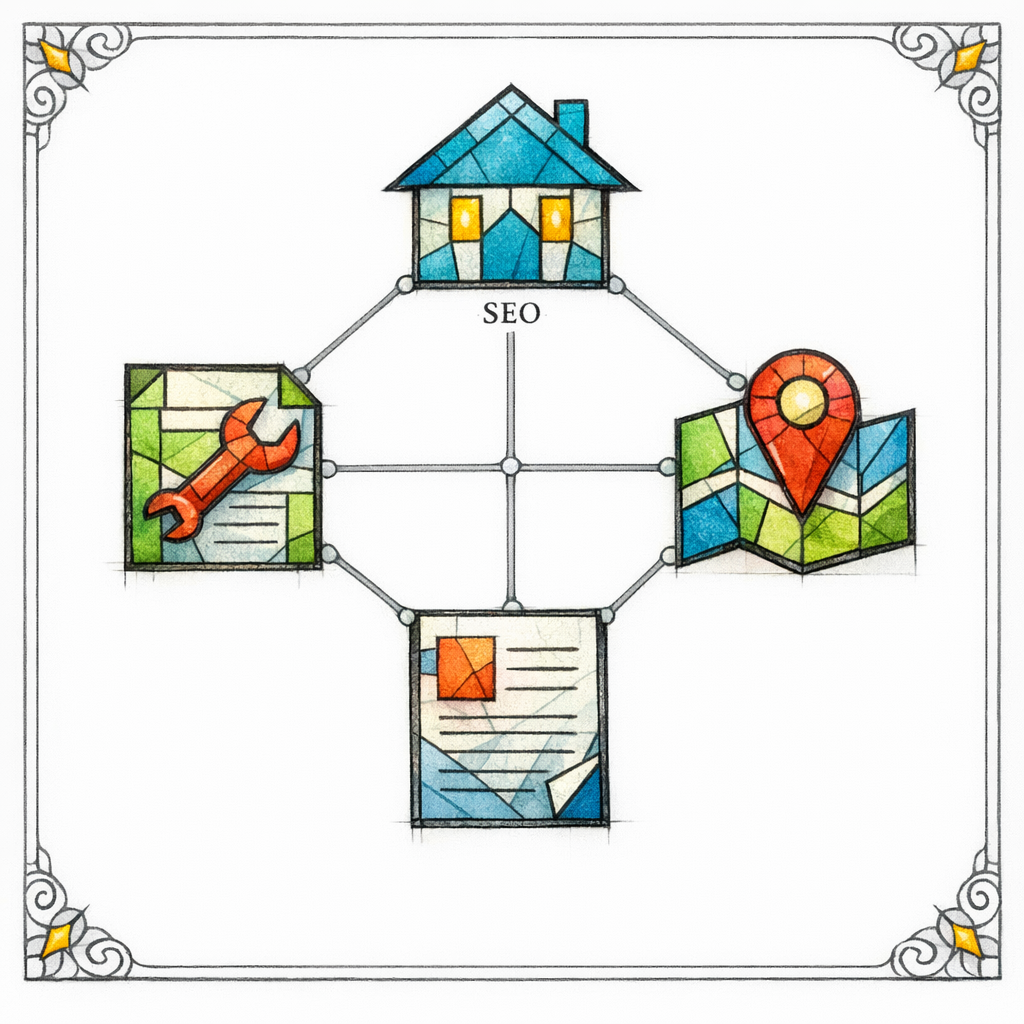
If your pages are islands, your rankings and calls will be, too. Internal linking is how you guide both users and search engines toward your money pages and your most relevant local pages.
Your goal is clarity. Google’s documentation emphasizes making links accessible and crawlable, which is why your navigation and contextual links should follow basic crawlability best practices rather than relying on tricky scripts or hidden elements.
A simple linking blueprint that scales
- Homepage links to your top services and a service area hub.
- Service pages link to relevant city pages (top markets) and to related services.
- City pages link to your core service pages and to adjacent nearby cities.
- Articles link to one service page, one city page (if relevant), and one trust page (warranty/financing).
Common mistakes that sabotage a local SEO content calendar
Most “local SEO content plans” fail because they are built like magazine calendars. Home services is not a magazine business. It is a trust-and-urgency business.
Mistake 1: Blogging first, service pages later
If your blog posts rank but your service pages are thin, you have created attention without a clear conversion path. Publish service pages and location pages early so every future post has somewhere powerful to send leads.
Mistake 2: City pages that are copy-paste duplicates
Duplicated location pages waste crawl budget and trust. Make each page genuinely useful: local proof, area-specific issues, and real differences in availability or response times.
Mistake 3: “Near me” keyword stuffing
Writing “plumber near me” 19 times does not make you closer to the customer. Build relevance through specific services, clear areas served, and content that matches intent, aligned with Google’s guidance on helpful, people-first content.
Mistake 4: Treating Google Business Profile like a directory listing
Your profile is a living sales asset. Use updates, photos, and Posts so a customer can trust you before they ever reach your website, using features Google provides for Business Profile posting and updates.
Mistake 5: No proof on the page
Home services prospects are often stressed, skeptical, and in a hurry. Reviews, licenses, warranties, process explanations, and “what to expect” sections turn anxiety into action.
What to do next (a 30-minute checklist)
If you only have half an hour today, do not overthink it. Do the next right thing, in the right order, and momentum will follow.
- Pick your top 4 services that generate the best margin and the best close rate.
- Pick your top 4 service areas where you want more calls this quarter.
- Draft the 90-day calendar using the weekly plan above (2–3 publishable items per week).
- Create a linking plan so every new item points to a money page and a local page.
- Schedule Google Business Profile Posts for the next two weeks so your profile stays active.
- Upgrade proof on your top pages (reviews, photos, credentials, warranties, financing if offered).
Why this plan works across industries (home services, healthcare, legal, SaaS)
The format is local-first, intent-first, and proof-first. That is why it translates beyond HVAC and plumbing into healthcare clinics, law firms, multi-location brands, and even BPO or receptionist services when they compete in local markets.
The principle is the same: build pages that match real queries, demonstrate trust, and guide the reader to a clear next step, consistent with Google Search Essentials and the broader emphasis on reliable content.
Get a free SEO audit today!
If you want this 90-day calendar tailored to your exact services, cities, and “call-driving” keywords, Content God will map the gaps and the fastest wins. Get a free SEO audit today, and we will show you which pages to build first, what to fix, and how to turn your local SEO content plan into booked jobs.
Visit Content God (Content Generated on Demand) when you are ready to stop guessing and start ranking with purpose.
Stop praying for better search results — download your free copy of the SEO Bible and learn the true path to SEO Salvation.