




SEO vs Paid Leads for Service Businesses: Costs, Timelines, and When to Use Both
If you run a service business, you are not really choosing between “marketing channels.” You are choosing between two different ways of buying certainty: paying for attention today (paid leads) or building an asset that keeps producing tomorrow (SEO). Both can work, both can waste money, and most businesses lose because they pick one out of loyalty instead of logic.
This guide is for home services (HVAC, plumbing, roofing, electrical, landscaping), healthcare and health-adjacent brands, law firm marketing teams, BPO/call centers, e-commerce, SaaS, and any local or multi-location business that needs consistent lead flow. You will learn how SEO vs PPC for local business decisions actually work in the real world: what you pay for, how long it takes, what “good” lead quality looks like, and when a blended SEO and PPC strategy is the highest-ROI path.
One quick note before we begin: yes, our name is Content God. We did not notice the whole “God” thing until it was too late. Sorry for any confusion. Now that that is settled, let us proceed with the calm confidence of an all-seeing marketing deity.
SEO vs PPC vs pay-per-lead: what you are actually buying
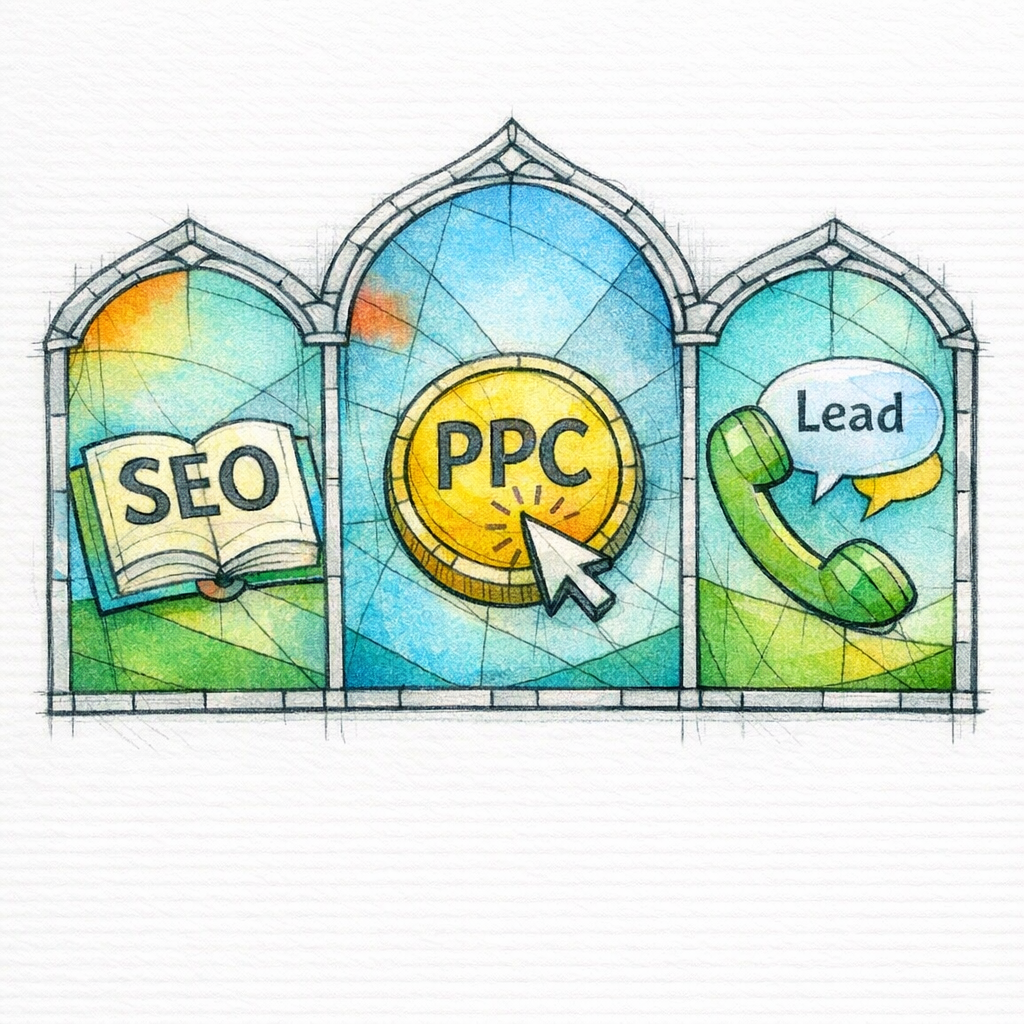
When people say “SEO,” they often mean “free traffic.” That is not accurate. SEO is the ongoing work of earning visibility in organic search by publishing useful pages, improving site structure, and building trust signals so search engines can understand and rank your content, as outlined in Google’s SEO Starter Guide.
When people say “PPC,” they usually mean Google Ads search campaigns. You bid in an auction for visibility and pay when someone clicks, with placement driven by factors like bid and ad quality as described in how the Google Ads auction works.
When people say “paid leads,” they might mean a pay-per-lead platform, not pay-per-click. For many home services businesses, that often includes Google’s Local Services Ads (LSAs), which can charge per lead and display provider verification signals (where available). In plain terms: PPC buys clicks, pay-per-lead buys inquiries, and SEO buys compounding discovery.
Local SEO cost vs paid lead cost: the real math (and the hidden line items)

Most “service business marketing budget” debates fail because they compare a visible cost (ad spend) against an invisible cost (your time, your content backlog, your website quality, your follow-up process). If you want clarity, separate costs into three buckets: platform costs, production costs, and conversion costs.
SEO costs: you are funding an asset, not a faucet
SEO costs typically show up as a monthly retainer (agency or in-house time) plus content production plus technical fixes. Pricing varies widely, but the best high-level snapshot for local SEO pricing and typical engagement models is the BrightLocal Local SEO Industry Survey, which aggregates how agencies and businesses price local SEO services.
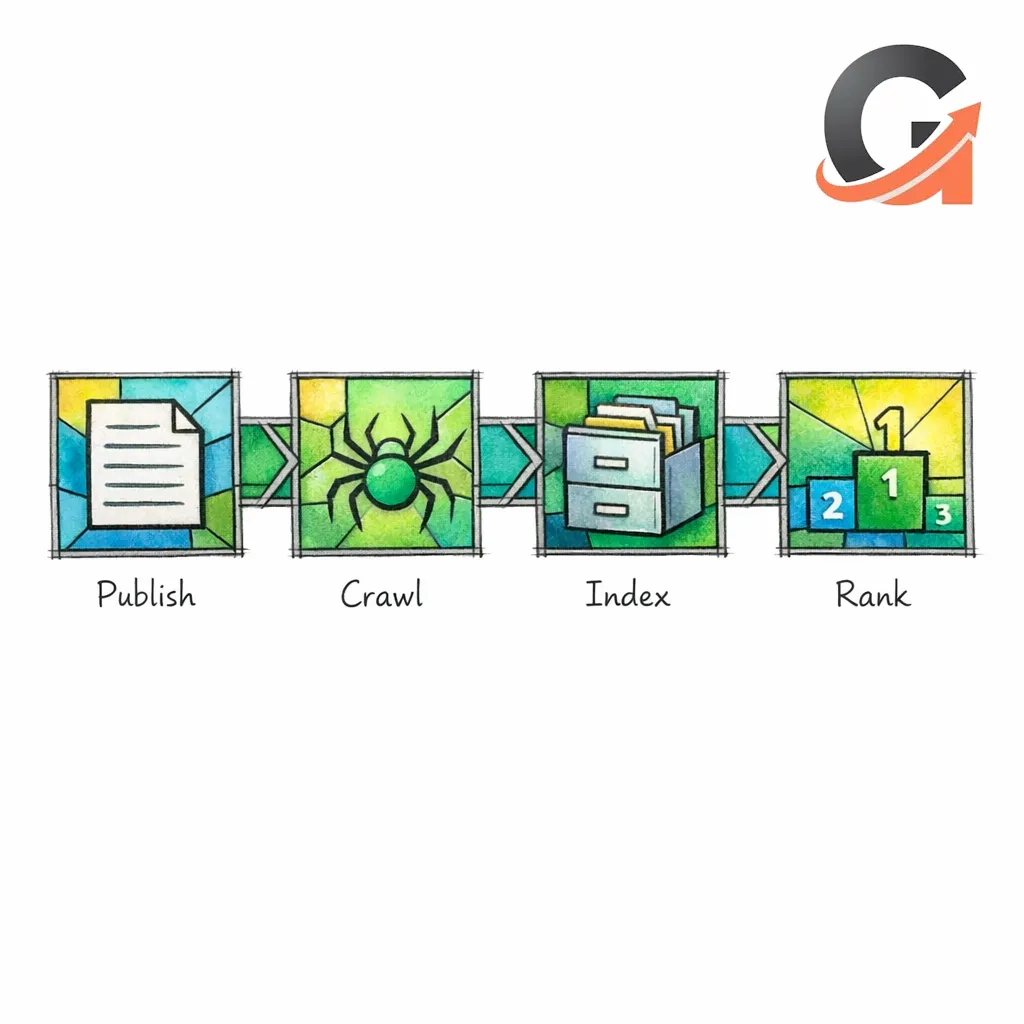
One overlooked factor: SEO work is not “done” when a page is published. Google still has to discover, crawl, and index it, and the mechanics of that process are covered in Google’s crawling and indexing documentation. That delay is part of why SEO feels slow compared to ads, but it is also why SEO value tends to stack over time.
PPC costs: you are renting attention at market price
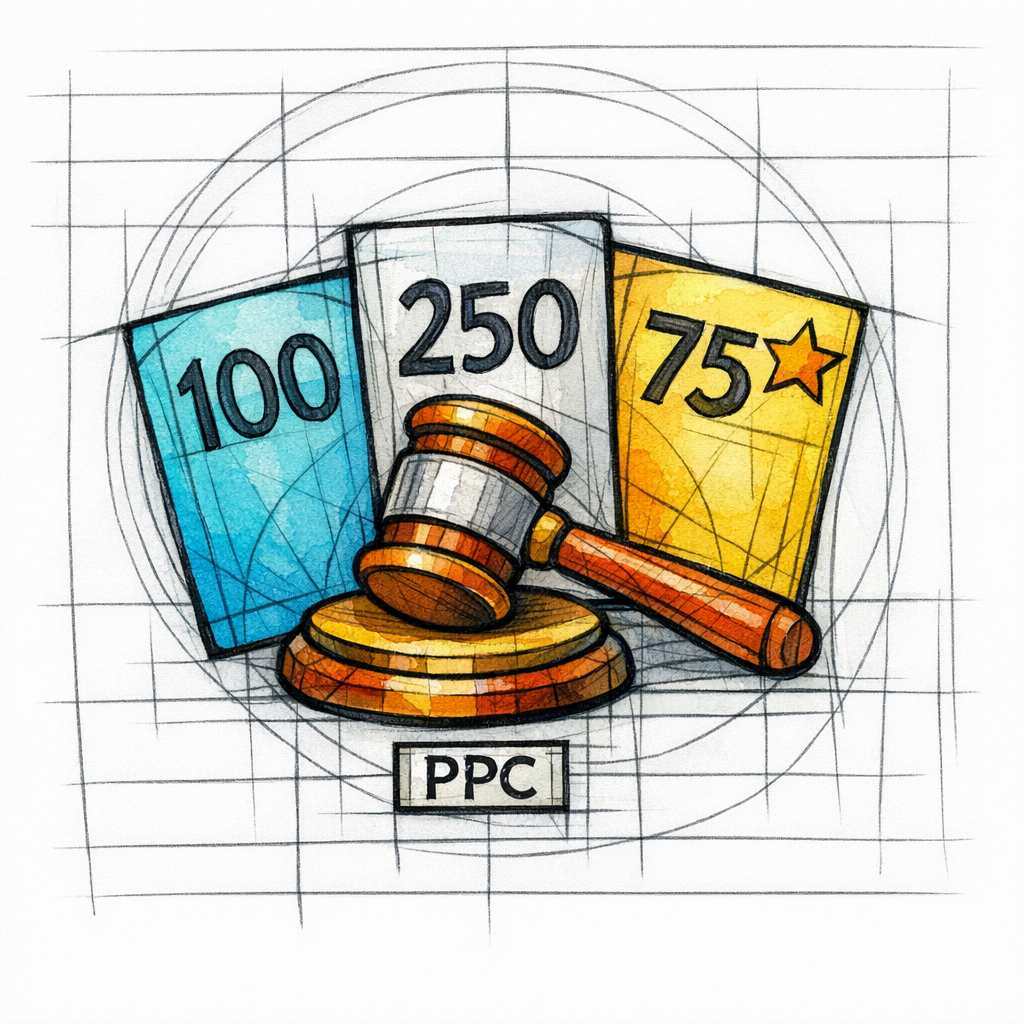
PPC (Google Ads vs SEO) is often framed as “fast but expensive.” The real truth is “fast and measurable, priced by competition.” Your costs are driven by auction dynamics, and your performance depends on what you send traffic to and how well you convert it, which is why understanding the ad auction and quality factors matters more than arguing about the channel itself.
If you need directional cost-per-lead benchmarks to reality-check a plan, use a reputable benchmark source and treat it as a starting point, not a promise. WordStream publishes regularly updated Google Ads benchmarks by industry that can help you sanity-check CPC and conversion-rate expectations (industry commentary, not a guarantee for your market).
Pay-per-lead costs: the invoice is simple, the economics are not
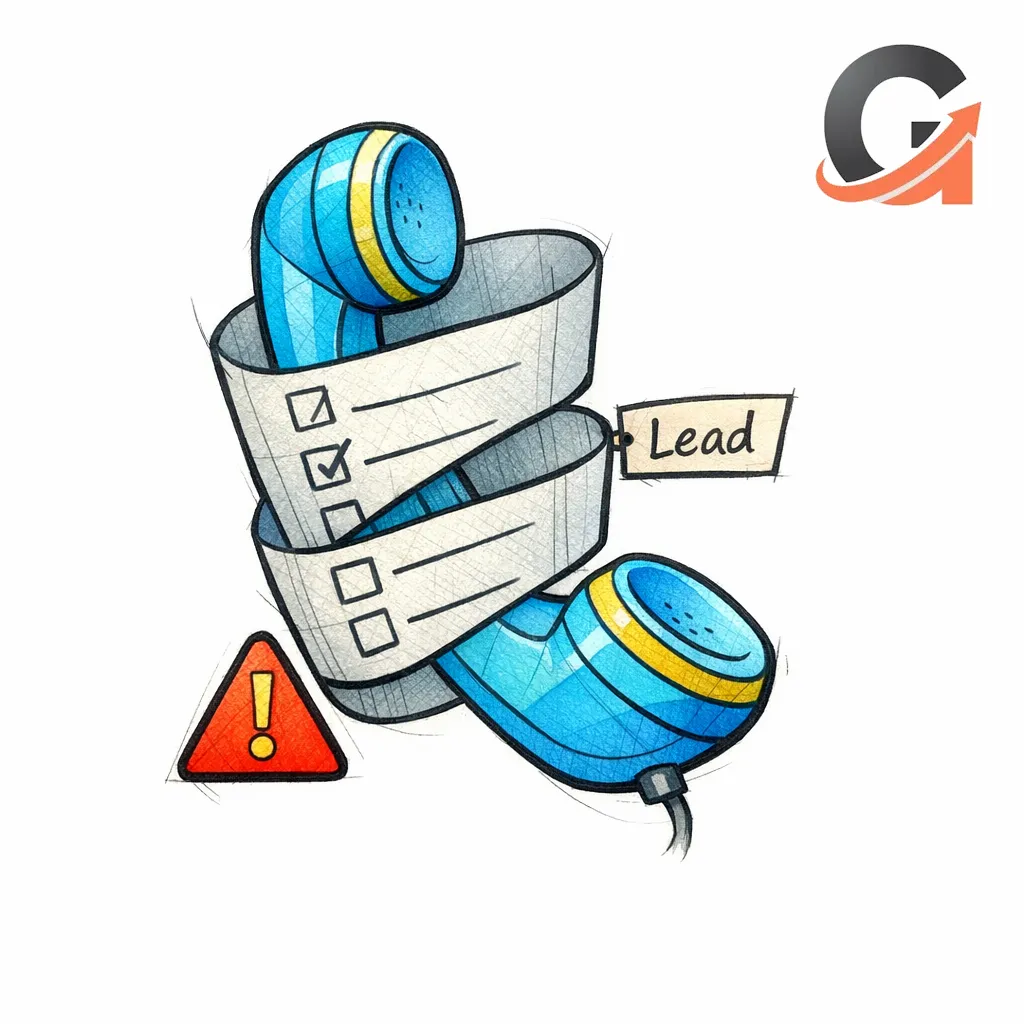
Pay-per-lead programs look clean on paper because you pay for leads, not for clicks. But lead quality, exclusivity, and dispute policies are where the true cost hides. With Local Services Ads, for example, eligibility, verification requirements, and how leads are generated and billed can materially change performance from one city and category to another.
Bottom line: pay-per-lead can be efficient when it produces qualified calls that you actually answer. It becomes a silent budget leak when the platform sends mismatched requests, you respond slowly, or your team cannot close.
Marketing timeline for SEO vs paid: what happens in week 1, month 1, and beyond

“Timelines” are not about hope. They are about mechanics. Paid traffic can begin as soon as campaigns are approved and budgets are live, while SEO requires pages to be published, discovered, and understood, which is why Google’s own crawl and index process is the first reality check for anyone expecting instant rankings.
Paid leads timeline: immediate demand, immediate feedback
Paid channels are best when you need signal fast. Within days you can learn which services, geographies, and offers generate calls, and you can shift budget quickly. This is why PPC is often the “triage” channel for new locations, new service lines, and seasonal spikes.
The tradeoff is that performance can swing quickly because you are participating in an auction where competition and ad quality directly affect visibility, as described in Google’s explanation of the ad auction. You get speed, but you must manage it.
SEO timeline: slower ignition, compounding returns
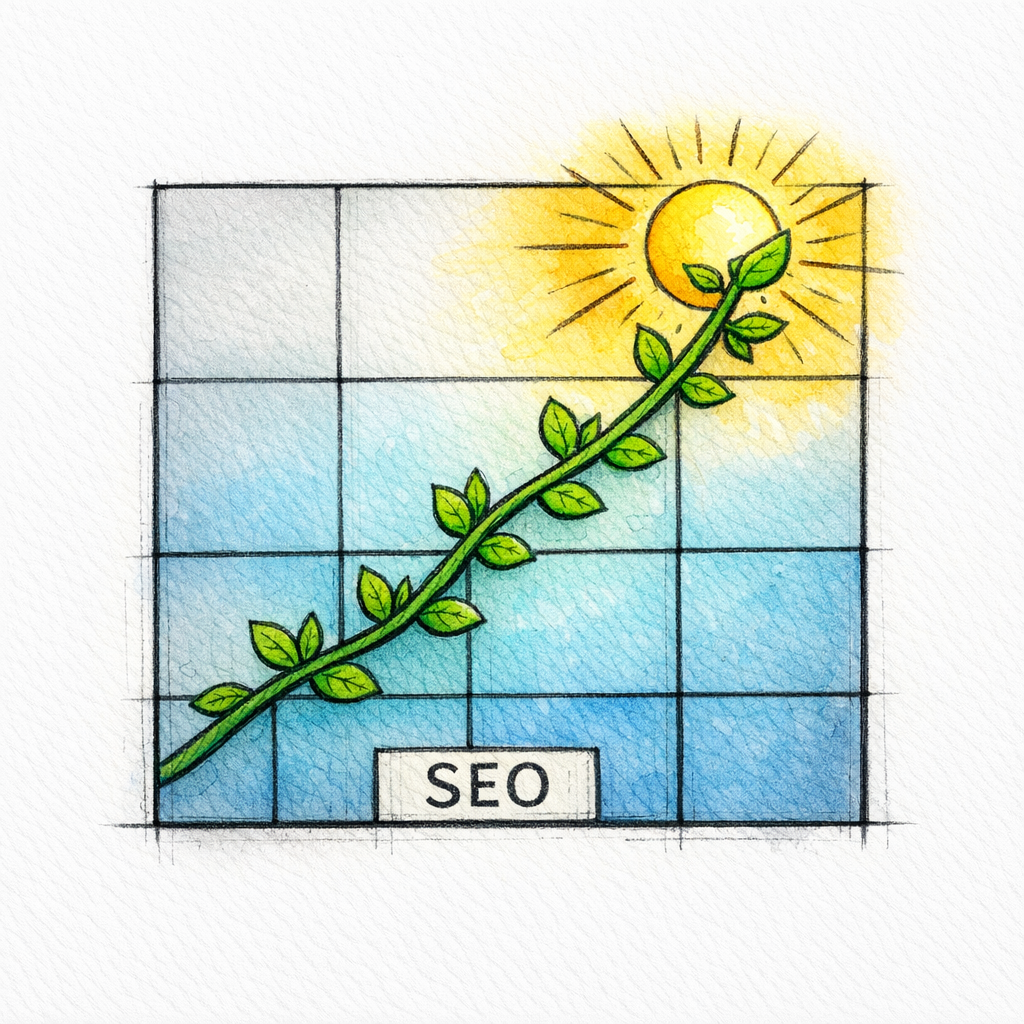
SEO is the patient builder. You publish assets that can rank, earn links, attract branded searches, and support conversions long after you stop “boosting” them. It is slower to turn on because discovery and indexing must happen first, and then your pages must prove relevance and usefulness over time, which is why understanding Google’s SEO fundamentals matters more than chasing hacks.
The pay-off is strategic: SEO gives you a lead source that does not disappear the moment you pause spend. That is why “ROI of local SEO” is often strongest for high-margin services, repeatable service areas, and multi-location expansion.
Lead quality: the part most “cost per lead benchmarks” never tell you
A cheap lead is expensive if it does not close. A pricey lead can be profitable if it turns into high-LTV customers. So when you compare pay per lead vs SEO, look at downstream metrics: booked jobs, average ticket, close rate, refund rate, and how many calls were missed.
- SEO leads often arrive with higher intent for specific services because they searched a problem and chose you from results based on trust signals, content, and relevance, aligning with the “helpful content” goals in Google’s SEO guidance.
- PPC leads can be extremely high intent (especially branded and “emergency” queries), but you are also paying for exploration clicks and comparison shoppers because you are buying visibility in an auction, per Google Ads auction mechanics.
- Pay-per-lead leads can be great when the platform filters well, but you must verify dispute policies, lead categories, and eligibility requirements, which differ by program (see Local Services Ads program details).
When SEO wins for service businesses (and when it does not)

SEO is usually the best long-term engine when you have repeatable services, consistent demand, and the ability to invest in content and site quality. It is especially powerful for local businesses with multiple services (HVAC + plumbing + electrical) because you can build a structured set of service pages, location pages, and educational resources that earn visibility over time.
SEO tends to lose when your business needs revenue next week, when your site is not ready to convert, or when you cannot sustain content production. Remember: pages must be created and then discovered and indexed, which is why the crawl/index pipeline is a real gating factor.
When paid leads win (and when they do not)
Paid is often the right choice when you need speed, tight geographic targeting, and controllable volume. Contractors commonly use PPC and LSAs to keep trucks full while SEO matures, and to protect demand during slow seasons.
Paid tends to lose when you treat it like a vending machine. If your landing pages are weak, if your intake is slow, or if you do not understand that you are operating inside an auction where quality matters, you will buy expensive lessons instead of profitable leads.
When to use both: the blended SEO and PPC strategy that compounds
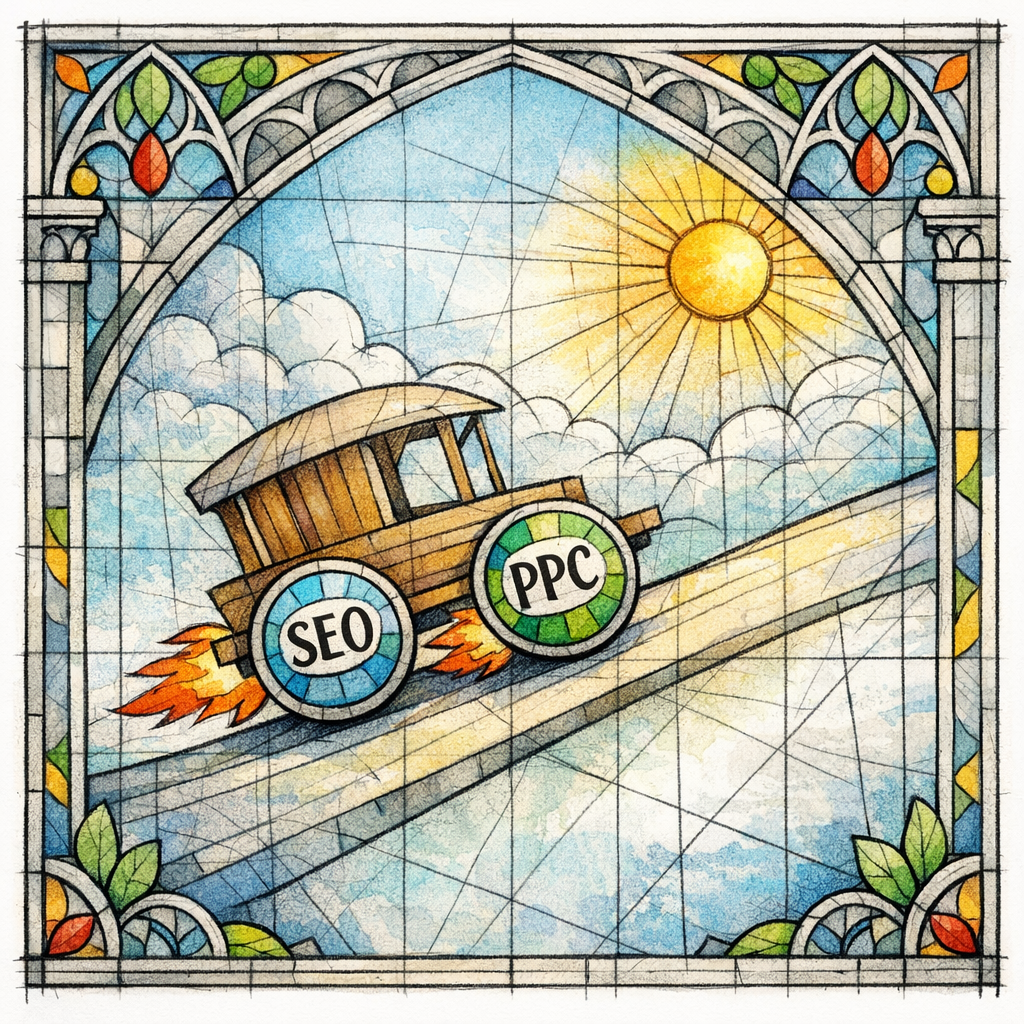
If you want consistency, you do not pick a side. You assign roles. A blended approach is often the highest-performing play for lead generation for contractors and service businesses that want stable growth.
- Use paid to buy time. PPC and pay-per-lead fill the pipeline now while your SEO foundation is built and your content library grows.
- Use SEO to lower your long-term acquisition costs. As organic pages begin converting, you can shift paid spend toward high-margin services, peak seasons, and new territories.
- Use paid data to guide SEO priorities. Ads can quickly reveal which services and messages convert, then you turn those insights into permanent pages and local SEO content.
This is where Content God usually enters the story. You do not need more “blog posts.” You need an orderly system: the right pages, aimed at the right intent, published at a pace that matches your growth goals. Then you stop guessing and start stacking assets like sacred stones.
What changed recently: measurement, privacy, and why “easy tracking” is no longer automatic

A major shift over the last few years is that conversion tracking and audience measurement have become more sensitive to consent and privacy settings. Google outlines how Consent Mode works to help businesses measure conversions while respecting user consent choices, which can affect how clean your paid and organic reporting looks.
The practical impact is simple: if your tracking is misconfigured, you may undercount conversions, optimize toward the wrong signals, and make bad channel decisions. In other words, your “Google Ads vs SEO” debate might be based on broken instrumentation instead of reality.
Common mistakes and misconceptions (the marketing sins we see every day)

Mistake 1: Comparing SEO spend to ad spend without counting conversion infrastructure
SEO and paid both require a site that converts. If your forms are confusing, your phone number is buried, or your service pages are thin, you will blame the channel instead of the funnel. Google’s SEO fundamentals also emphasize making content and structure clear, which tends to improve both rankings and conversions.
Mistake 2: Buying leads you cannot respond to

Many service businesses pay for “more leads” when they actually need “faster response.” Pay-per-lead and PPC punish slow follow-up because you pay whether you close or not. Before scaling, confirm your intake process can handle the volume your platform can generate (especially with LSAs where calls and messages can arrive quickly).
Mistake 3: Expecting SEO to behave like a switch
SEO is not instant distribution. New pages need to be crawled and indexed and then earn visibility, which is why Google’s crawling and indexing overview matters. Plan SEO as an operating system you install, not a button you press.
Mistake 4: Treating benchmarks as promises
Benchmarks are only useful as guardrails. Use them to spot something wildly off, not to forecast exact ROI. If you reference paid benchmarks, treat sources like WordStream’s industry benchmark reports as directional (industry commentary), then validate with your own conversion data.
What to do next: a practical checklist for picking the right mix
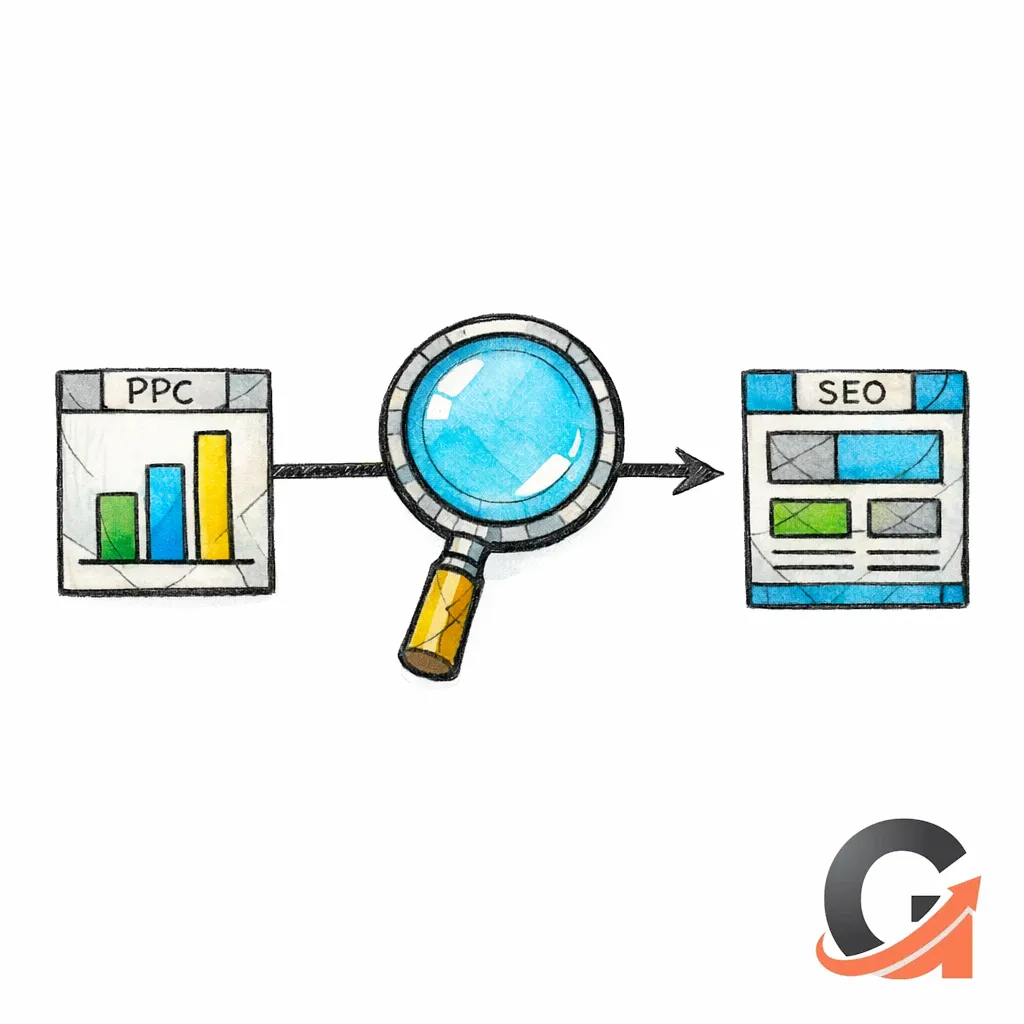
Use this as a quick decision framework whether you are a contractor, a multi-location local business, a healthcare brand needing trustworthy content, or a law firm trying to balance intake volume with cost control.
- Decide what you need most: immediate leads this month, or lower acquisition costs over the next 6–12 months.
- Audit your intake: call answer rate, speed-to-lead, booking rate, and close rate before you scale spend.
- Map your services to intent: emergency, same-day, installation, maintenance, comparison, and informational queries.
- Build or fix your “money pages” first: service pages and location pages that clearly explain what you do and how to book.
- Run paid for high-intent gaps: protect brand terms, cover peak seasons, and test new services while SEO matures.
- Commit to an SEO publishing cadence: consistent content production aligned to services, locations, and customer questions.
- Validate tracking: make sure conversions are measured correctly, including consent-related behavior as described in Google’s Consent Mode overview.
- Review monthly with one scorecard: cost per booked job, not just cost per lead.
If you want a simple rule: use paid to stabilize the present, SEO to secure the future, and a blended plan to build a business that does not panic every time leads dip.
Get a free SEO audit today!
Get a free SEO audit today! If you are tired of guessing whether SEO or paid leads should get the next dollar, Content God will show you what your site can realistically rank for, where your local visibility is leaking, and what to fix first to increase qualified calls.
Stop praying for better search results — download your free copy of the SEO Bible and learn the true path to SEO Salvation. You can keep offering sacrifices to the algorithm, or you can build a content system that earns trust, rankings, and leads while you sleep.