




Automated Content Pipeline for SEO: From Keyword List to Published Posts (Quality-Controlled)
Most SEO content workflows break down in the same place: between “we have a keyword list” and “we have pages that rank, convert, and don’t embarrass the brand.” The gap is not effort. The gap is a repeatable, quality-controlled content production process that survives scale.
This guide is for home services, healthcare and health-adjacent brands, legal marketing teams, BPO and receptionist services, e-commerce, SaaS, publishers, multi-location businesses, founder-led brands, and agencies that need scalable content operations without sacrificing trust. You will learn a practical automated content pipeline, a reusable SEO briefs template outline, an editorial checklist, a content QA process, and a programmatic publishing workflow that still protects quality.
Before we start: yes, our name is Content God, and yes, it stands for “Content Generated on Demand.” We did not notice how loud the “God” part sounded until it was far too late, and any confusion is sincerely noted.
Now that the disclaimer is out of the way: welcome, disciple of rankings. You are about to build a system that turns messy ideas into clean, published posts with the kind of consistency that feels supernatural.
What an automated content pipeline actually is (and what it is not)
An automated content pipeline is a controlled sequence of steps that moves content from keyword discovery to live publication, with approvals, checks, and reporting built in. Automation does not mean “no humans.” It means fewer manual handoffs, fewer missed steps, and less time spent redoing work.
The goal is simple: reduce variability. When every article follows the same gates, you can scale output across service pages, city pages, comparison pages, blog posts, and resource hubs without letting quality drift.
The three pillars: intent, evidence, and enforcement

- Intent: every page has a job (rank, convert, support a service line, educate, capture local demand).
- Evidence: every claim that could mislead a reader is verified before it ships, especially for YMYL topics.
- Enforcement: checklists and QA gates prevent “almost ready” content from going live.
What changed (and what’s new): why pipelines matter more now
Search engines are increasingly explicit that they want “people-first” content that genuinely helps users, not pages produced only to capture clicks. Google’s own guidance on creating helpful, reliable, people-first content makes the underlying expectation clear: content should demonstrate real value, not just keyword coverage.
At the same time, scaling content without controls can drift into patterns that look like manipulation. Google documents categories of behavior it considers problematic in its Search spam policies, which is why “automation” must be paired with QA and editorial intent, not used as a shortcut around quality.
For healthcare, legal, and other high-stakes topics, trust expectations are even higher. Google’s Search Quality Rater Guidelines describe how evaluators assess content quality, including experience, expertise, authoritativeness, and trust, which is a useful compass for what your internal review should enforce.
The automated content pipeline (keyword list to published post)

Think of this as a factory line with holy water sprinkled on the bolts. You can implement it in a spreadsheet plus a task manager, or in a full content ops platform. The point is not the software. The point is that the same gates exist every time.
Step 1: Keyword intake and clustering (the “do not chase every query” rule)
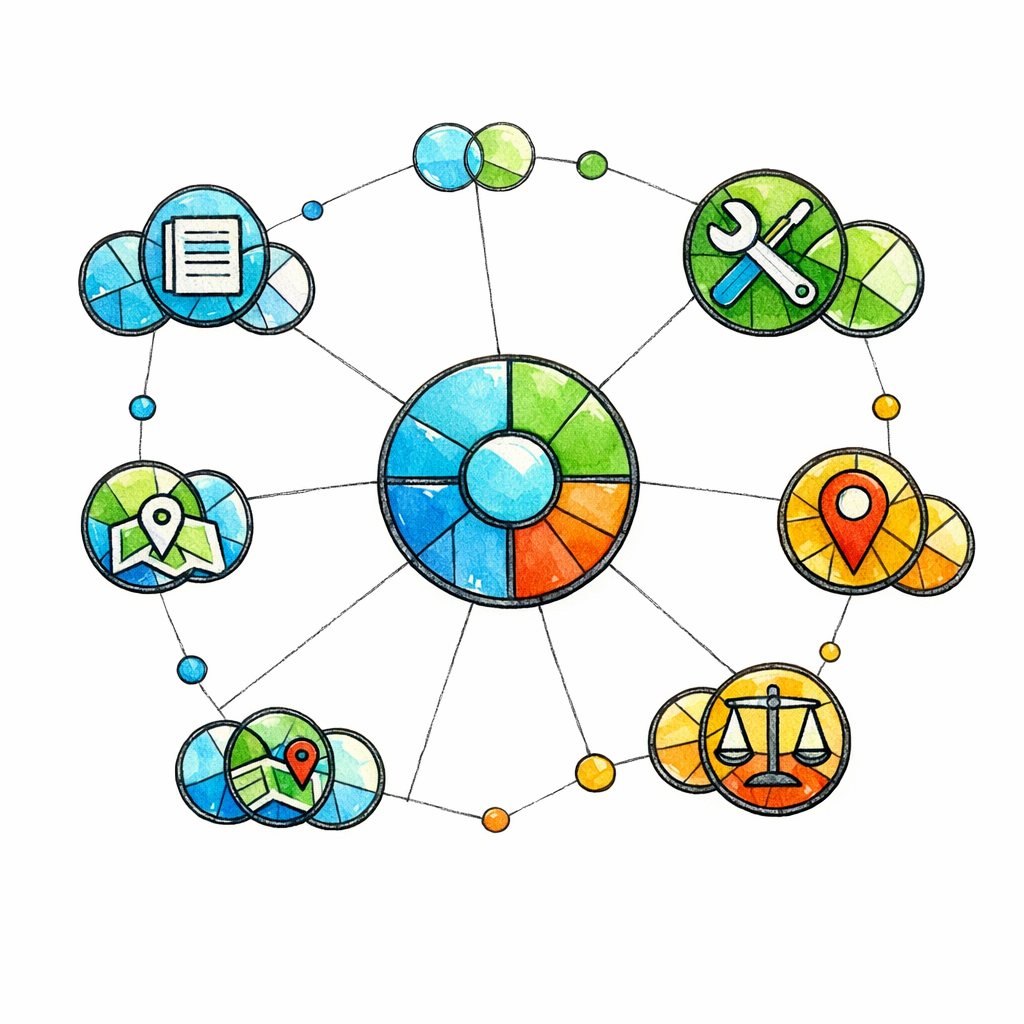
Start with one place where all keywords land, and one method for organizing them. Cluster by intent and page type, not just by similarity, so you can decide whether a keyword belongs to a blog post, a service page, a location page, or a comparison page.
- Inputs: keyword list, product/service catalog, locations served, buyer objections, FAQs from sales/support.
- Outputs: clusters, proposed URLs, target page types, priority score.
- Automation ideas: clustering scripts, automatic intent labels, duplicate detection, URL collision checks.
Step 2: Prioritization that respects revenue (not vanity volume)

For home services and local businesses, prioritize “problem + service + city” patterns and seasonal demand. For SaaS and BPO, prioritize bottom-of-funnel pages (comparisons, alternatives, integrations) alongside supporting education content.
- Scoring signals: business value, conversion likelihood, sales cycle impact, content cost, topical authority fit.
- Guardrail: do not greenlight content that cannot be supported by real expertise or a credible review path.
Step 3: SEO brief generation (your SEO briefs template, automated)
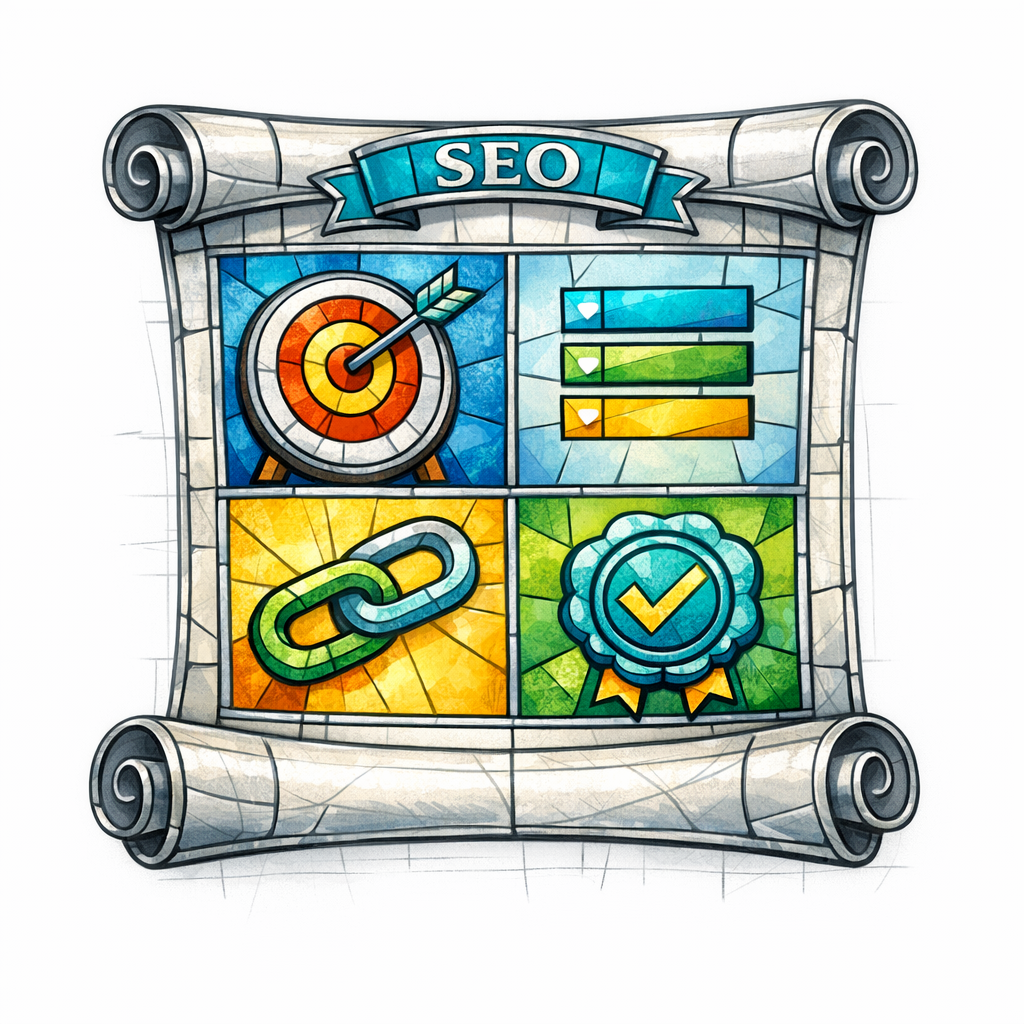
A good brief prevents 80% of revisions. Your SEO content workflow should generate briefs that are consistent enough to scale, but flexible enough to fit different industries and compliance requirements.
- Search intent: what the user is trying to accomplish and what “success” looks like on the page.
- Primary keyword + variants: include secondary keywords as support, not as a checklist to cram.
- Required sections: H2/H3 outline, FAQs, examples, and an internal link plan.
- Trust requirements: who must review, what sources are required, what claims are prohibited.
- Conversion requirement: the next step the reader should take (call, quote request, demo, consult, download).
For local SEO, add a location integrity block: service area, office address rules, and proximity language constraints. If you publish location pages, align them with Google Business Profile guidelines so your on-site information does not create avoidable inconsistencies.
Step 4: Draft production (speed without heresy)

This is where many teams confuse “fast” with “finished.” Drafting can be partially automated, but the system must preserve a human editorial standard, especially for healthcare and legal topics where misleading phrasing can create real-world harm.
- Draft requirements: short paragraphs, clear definitions, specific examples, and a reader-first flow.
- Reusable components: intros by page type, service benefit blocks, comparison frameworks, FAQ patterns.
- Brand voice: consistent tone and vocabulary, with room for subject-matter nuance.
Step 5: Developmental edit (make it useful before making it pretty)

Developmental editing is where you check whether the page actually does the job the brief promised. This is the step that turns “keyword coverage” into “reader value.”
- Does it answer the query? If not, restructure, do not just add more words.
- Is it credible? Identify claims that need sources or softening.
- Is it complete? Fill the missing steps, caveats, and decision criteria the reader needs.
- Is it aligned? Match the content to the offer, service area, and business model.
Step 6: Line edit + on-page SEO pass (the “editorial checklist” layer)
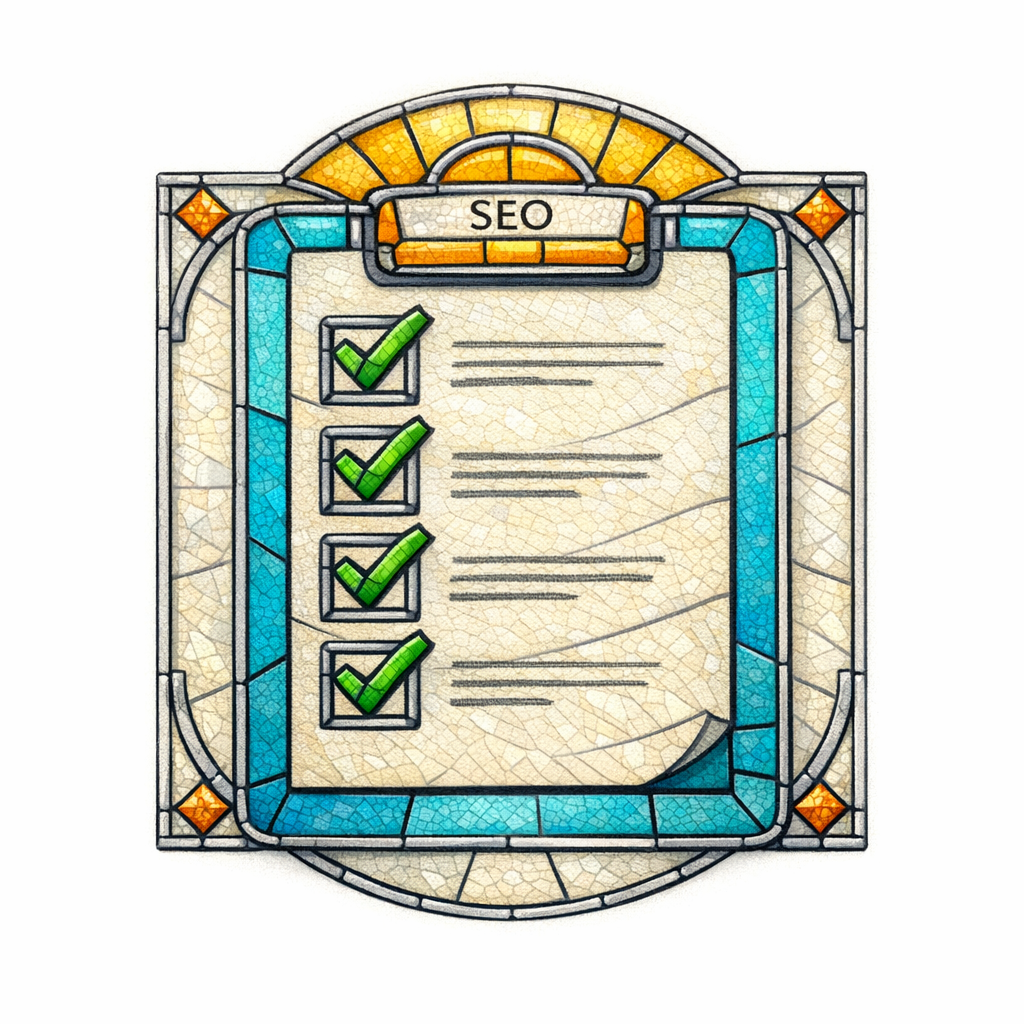
Now you polish, standardize, and ensure the page is scannable. This is where your editorial checklist becomes enforcement, not suggestions.
- Clarity: remove filler, define jargon, keep paragraphs tight.
- Structure: one H1, logical H2/H3 hierarchy, consistent formatting.
- On-page basics: title tag and meta description drafts, internal links, image notes, FAQ opportunities.
- Local enhancements: service-area references that remain accurate and non-spammy.
Step 7: Content QA process (the gate that prevents silent damage)

QA is not proofreading. QA is risk management. It’s where you stop preventable errors from being published and indexed.
- Factual accuracy: verify any claim that could mislead, especially health, legal, pricing, or safety statements.
- Source integrity: if you cite, cite authoritative sources and confirm the statement matches the source.
- Compliance review: healthcare and legal content should have a defined reviewer role and a documented approval step.
- Duplication checks: ensure the page is meaningfully distinct from existing pages (especially city/service variants).
- Technical checks: broken links, missing images, slug hygiene, canonical rules, indexability.
If you want a simple way to operationalize this, create a status called “Awaiting editorial office checklist” and refuse to move a piece forward until every QA item is checked. The name is intentionally dramatic. The discipline is the point.
Step 8: Programmatic publishing workflow (publish like a machine, review like a human)

Programmatic publishing is not “push anything live.” It’s “publish only approved content through predictable templates.” If you use WordPress, for example, you can automate scheduling and updates through the WordPress REST API once your editorial gates are satisfied.
- Template controls: pre-approved page layouts for each content type.
- Required fields: category, author/reviewer attribution (when applicable), internal links, featured image rules.
- Scheduling: stagger releases to avoid spikes that overwhelm review capacity.
Step 9: Indexing readiness and discovery

Publishing is not the finish line. Your job is to help search engines discover and understand the new page. A clean sitemap and logical internal linking structure are foundational, and Google documents sitemap usage in its sitemaps overview.
- Internal links: link from relevant hubs, service pages, and other supporting content.
- Navigation: ensure the page is reachable without relying on search.
- Consistency: align naming, services, and locations across the site.
Step 10: SEO reporting for content (prove value, then iterate)

Your pipeline is not complete until reporting feeds back into prioritization. Track performance at the URL and cluster level, and make refreshes part of the normal workflow rather than a once-a-year panic.
Google’s Search Console documentation is the baseline for monitoring organic visibility, queries, and indexing signals. Pair that with conversion tracking so you can identify content that “ranks” but does not produce leads, calls, demos, or sales.
- Weekly: indexing issues, major drops, pages with impressions but low clicks.
- Monthly: cluster performance, internal link improvements, content refresh targets.
- Quarterly: prune or merge underperforming pages, expand winning topics, upgrade trust signals.
Quality controls that differ by industry (use the right “holiness standards”)
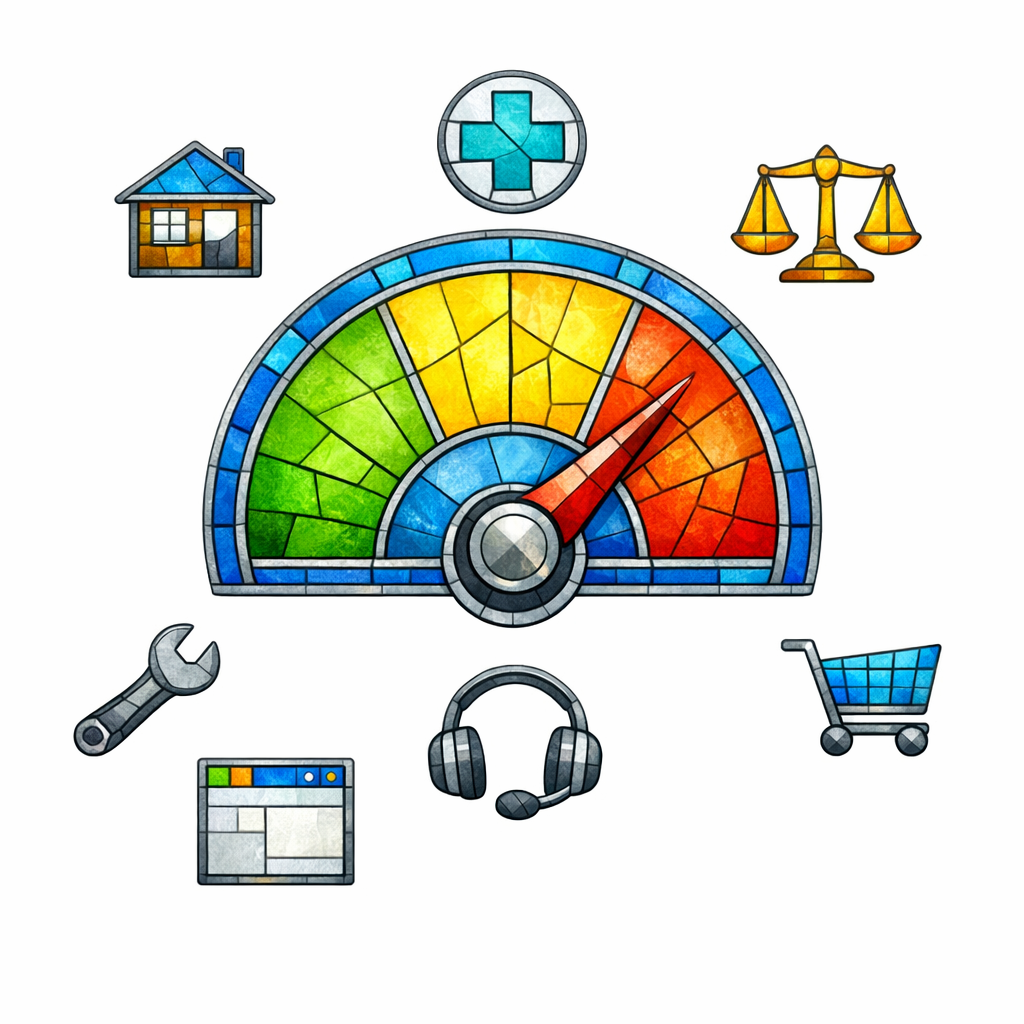
A single pipeline can serve many industries, but your QA gates should change based on risk. What’s acceptable for an e-commerce “how to choose” guide may be unacceptable for healthcare or legal content.
Home services (HVAC, plumbing, electrical, roofing, landscaping, pest control)

The biggest risk is thin, duplicated local content that looks mass-produced. Your pipeline should enforce unique job stories, real service details, and location accuracy, not generic paragraphs swapped between cities.
- Require: service-specific diagnostics, timelines, common causes, and “what to expect” steps.
- Local trust: consistent NAP details and service area language aligned to your profile rules.
Healthcare and health-adjacent brands

The biggest risk is overclaiming. Your QA process should enforce careful language, source checks, and clear separation between general education and personalized medical advice.
- Require: expert review path, cautious phrasing, and citations for clinical claims.
- Trust signals: author/reviewer credentials and update dates where appropriate.
Legal and law firm marketing teams

The biggest risk is misleading certainty and jurisdiction confusion. Your pipeline should enforce state-specific caveats, outcome disclaimers where needed, and a review step that prevents accidental legal advice.
- Require: jurisdiction labeling, “depends on facts” framing, and a compliance reviewer role.
- Conversion alignment: intake-focused next steps matched to practice area intent.
BPO, call center, and receptionist services
The biggest risk is generic sameness across “industry” pages. Enforce specificity: integrations, staffing models, coverage hours, onboarding steps, and measurable service-level expectations.
- Require: clear differentiation, comparison-ready structure, and proof points that can be verified.
E-commerce and SaaS
The biggest risk is traffic that does not convert because the content never connects to a decision. Your briefs should require product tie-ins, decision criteria, and internal links to the next logical step.
- Require: use cases, “best for” guidance, and friction-reducing explanations (shipping, returns, pricing logic, onboarding).
Common mistakes and misconceptions (and how to avoid them)
“Automation means we can skip editing”
Automation can speed up drafting and publishing, but it cannot replace accountability. If you remove the editorial checklist and content QA process, you do not get a faster pipeline. You get a faster way to publish mistakes.
“More content automatically means more leads”
More pages only help when they are mapped to intent and supported by internal links, trust signals, and conversion paths. Your prioritization step must be tied to revenue and real customer questions.
“We can clone city pages forever”
Location expansion works when each page is meaningfully unique and locally grounded. If your programmatic publishing workflow produces near-duplicates, you are scaling risk, not results.
“SEO reporting is optional after launch”
Reporting is part of production. If you do not measure what happens after publishing, you can’t learn what to scale, what to refresh, and what to kill.
How to implement this pipeline with minimal chaos
You do not need a perfect tech stack to start. You need one source of truth for status, one brief format, and one QA gate that cannot be bypassed. Once the process is stable, then you automate pieces of it.
A simple “content ops” structure that scales

Roles: strategist (prioritization), writer (draft), editor (developmental + line), QA (final gate), publisher (CMS).
Artifacts: brief, outline, draft, edit notes, QA checklist, publish checklist, reporting snapshot.
- Status flow: queued → briefed → drafting → editing → awaiting editorial office checklist → approved → scheduled → published → monitored.
Repurposing add-on: the YouTube video production workflow

If you also run video, treat it as another output of the same brief. One keyword cluster can produce a blog post, a script, and a short FAQ clip, but only if the brief includes the intended format and the same factual standards.
- Same brief: key points, disclaimers, and examples stay consistent across written and video content.
- Same QA: anything you would not publish in text should not be spoken on camera.
What to do next (checklist you can copy into your workflow today)
- Define page types: blog post, service page, city page, comparison page, integration page, resource guide.
- Create one SEO briefs template: intent, outline, trust requirements, internal links, conversion goal.
- Install one editorial checklist: clarity, structure, on-page basics, brand voice, conversion alignment.
- Install one content QA process gate: factual checks, compliance review, duplication scan, technical checks.
- Decide publishing controls: templates, required fields, scheduling rules, who can hit publish.
- Set reporting rhythm: weekly monitoring, monthly cluster review, quarterly refresh/prune cycle.
- Write one “gold standard” article: use it as the model for tone, depth, and formatting.
If you want this to feel effortless, make the system stricter than the humans. When the workflow enforces quality, your team can focus on judgment instead of chasing missing details.

If you want this to feel effortless, make the system stricter than the humans. When the workflow enforces quality, your team can focus on judgment instead of chasing missing details.
Get a free SEO audit today!
If your current SEO content workflow feels like chaos dressed up as productivity, let Content God inspect the temple. Get a free SEO audit today! and find out exactly where your pipeline leaks rankings, trust, and conversions.
Stop praying for better search results — download your free copy of the SEO Bible and learn the true path to SEO Salvation.