




SEO Agency vs SEO Content Agency: Which One Fits Your Growth Goals?
If you are shopping for a seo agency, you are probably not buying “SEO” in the abstract. You are buying growth, lead flow, cleaner reporting, and a team that can remove whatever is currently choking search performance. The problem is that two options often look similar on paper while solving very different problems: a full-service SEO agency and an SEO content agency.
This guide is for home services companies, healthcare brands, legal teams, SaaS marketers, multi-location businesses, and agency-side teams that need clarity before they sign a retainer. You will learn what each partner type usually owns, how deliverables and timelines differ, what reporting should look like, and when outsourcing the content pipeline is the smartest move.
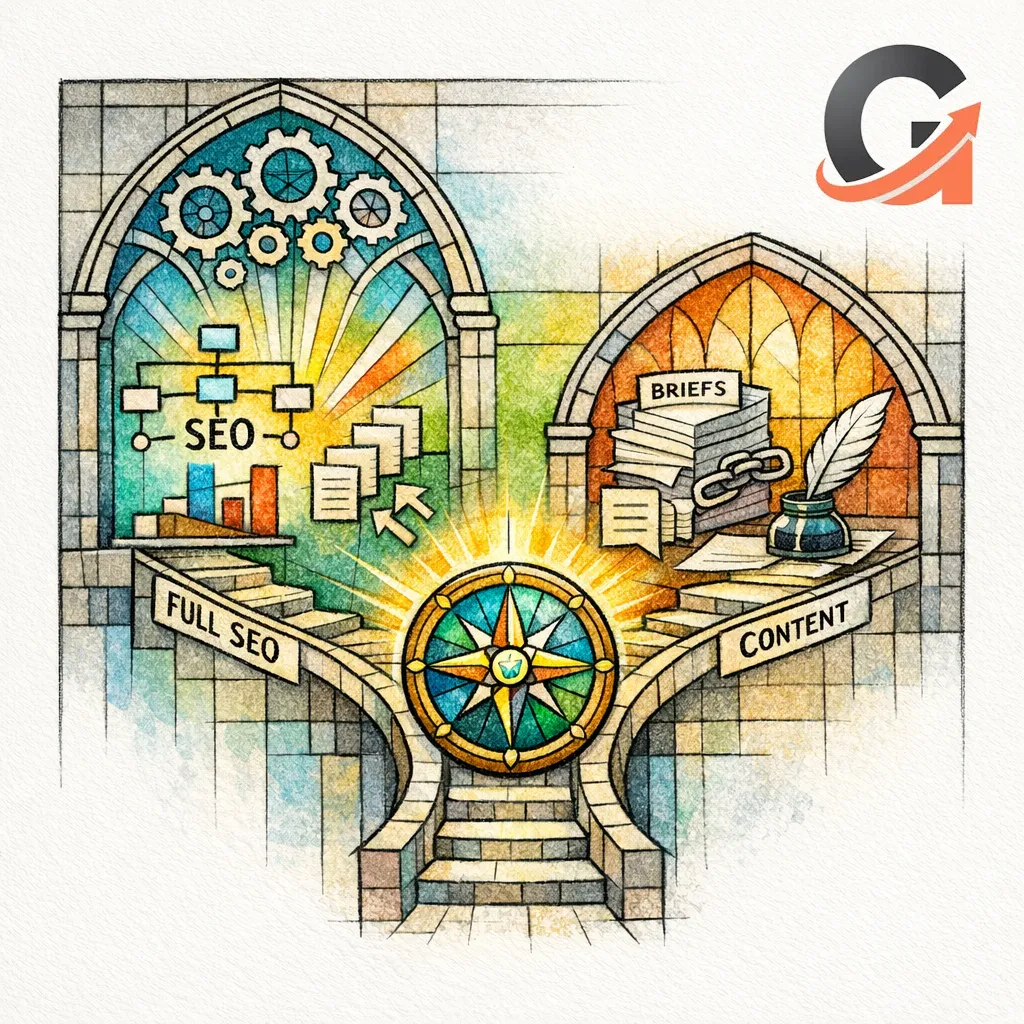
A brief confession from Content God: the name stands for Content Generated on Demand. We understand if the branding caused a moment of theological confusion. Now that the apology has been offered, let us speak from the mountaintop: most companies do not need more marketing noise. They need the right owner for the right bottleneck.
SEO agency vs SEO content agency: the short answer
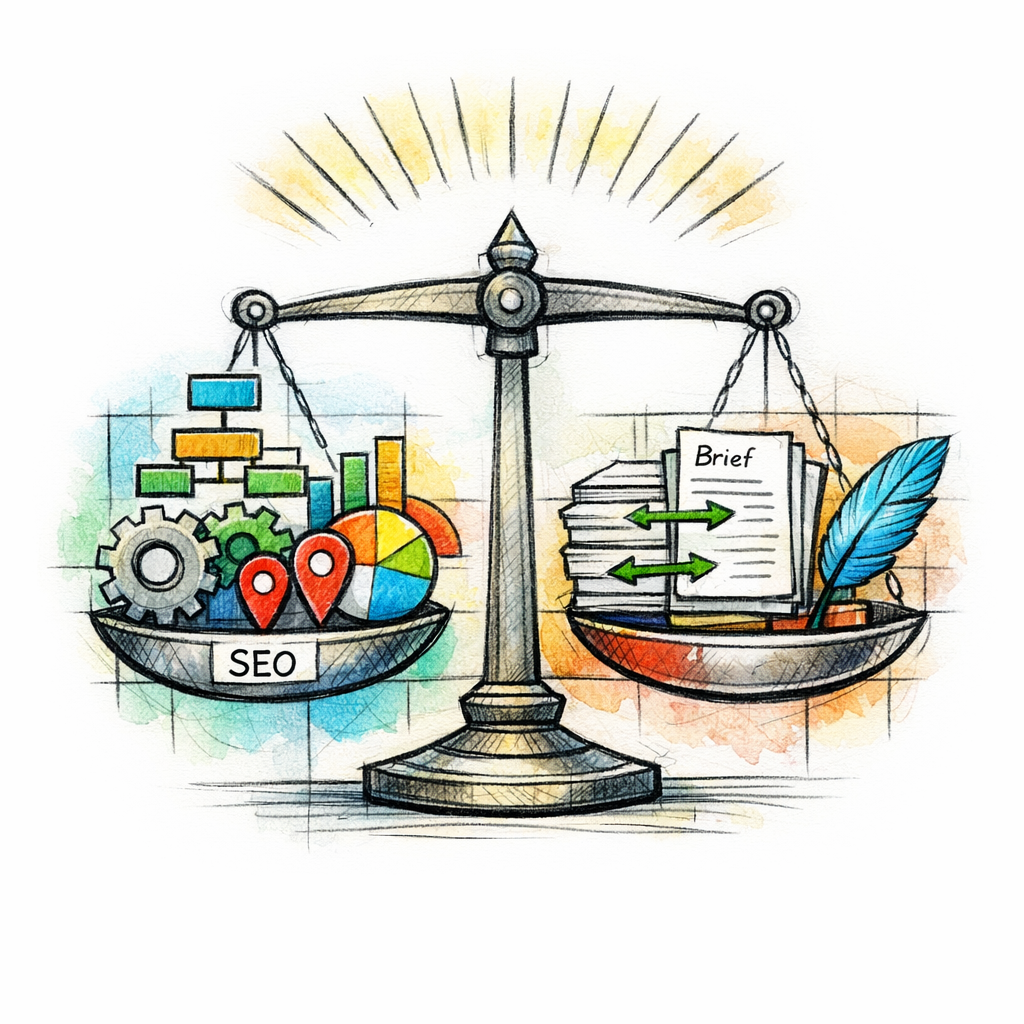
What is an SEO agency? An SEO agency usually manages the broader search program, from technical improvements and site structure to on-page recommendations, local SEO, reporting, and strategic prioritization. It is the better fit when several moving parts across the site, channel mix, and measurement stack need to be coordinated at once.
What is an SEO content agency? An SEO content agency is a narrower, execution-heavy partner built around keyword strategy, briefs, content production, refreshes, and internal linking. It is usually the better fit when your growth ceiling is limited by publishing velocity and your team needs more people-first content that can rank, educate, and convert.
In this article, treat a content marketing agency vs SEO agency comparison as a different question. A broad content marketing shop may focus on brand campaigns, social, email, and creative storytelling. An seo content agency is tighter and more search-driven: it exists to turn search demand into pages, clusters, and compounding organic traffic.
- Choose a full-service SEO agency if your site has technical debt, local visibility problems, reporting confusion, or multiple stakeholders who need one strategic owner.
- Choose an SEO content agency if your technical foundation is stable but your pipeline for service pages, city pages, comparison pages, and articles is too slow.
- Choose both, or phase both, if technical cleanup and content velocity are both bottlenecks.
- Choose neither yet if your offers, conversion tracking, or basic website usability are still unclear.
- Choose based on your next 12 months, not your current pain alone. The right partner should fit the growth model you are moving into.
- Goal: SEO agency = broader search performance and operational oversight. SEO content agency = scalable content production tied to rankings and conversions.
- Deliverables: SEO agency = audits, implementation guidance, local SEO, technical recommendations, reporting. SEO content agency = keyword maps, briefs, pages, refreshes, internal links, editorial workflows.
- KPIs: SEO agency = visibility, indexing health, lead quality, local presence, overall search growth. SEO content agency = page output, keyword coverage, content-driven traffic, assisted conversions, content refresh wins.
- Ideal fit: SEO agency = complexity. SEO content agency = throughput.
What changed in search
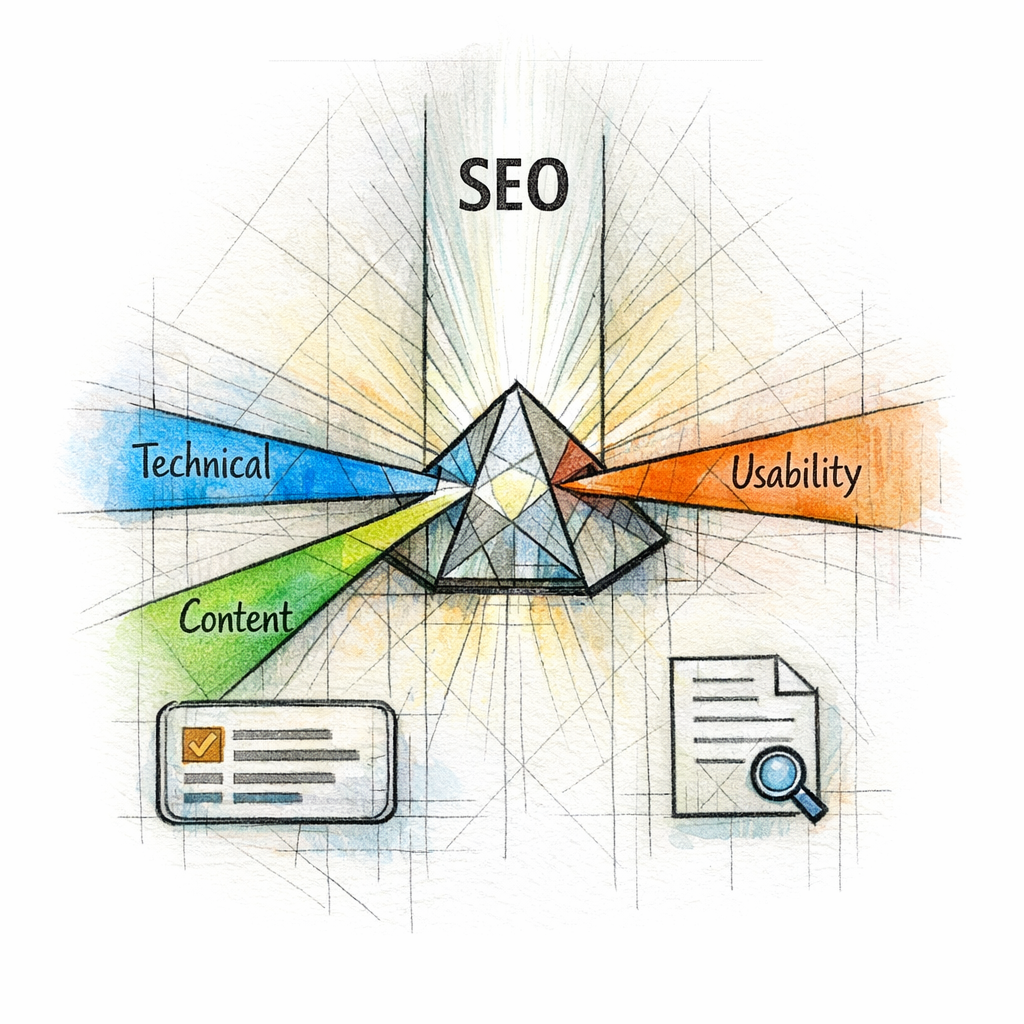
The old “SEO versus content marketing” debate is less useful than it used to be because ranking systems evaluate meaning, relevance, quality, usability, and context together. That means technical SEO, content quality, and conversion intent are no longer separate conversations for a serious buyer. They are one buying decision about ownership.
The other shift is workflow, not doctrine. Google has said that AI-generated content can perform well when it is helpful and original, which means the question is not whether a partner uses AI. The real question is whether they can turn research, subject-matter review, editing, internal linking, and publishing into a reliable system that produces pages worth ranking.
So no, SEO is not dead. It is simply less forgiving of shallow pages, disconnected reporting, and teams that confuse output with useful coverage. Buyers who understand this usually make a better agency choice.
What an SEO agency typically owns
A full-service SEO agency usually starts by looking under the hood. It wants to know whether pages can be crawled, whether templates are leaking relevance, whether important pages are buried in the site structure, and whether the CMS is creating unnecessary duplication or index bloat.
Technical SEO, audits, site architecture, indexing
This is why an SEO agency is often the right first hire when growth has stalled for reasons nobody can clearly explain. If your rankings are unstable, migrations are coming, category or service templates are weak, or the site has multiple owners, broader technical oversight matters more than pumping out another twenty articles.
For larger businesses, this partner is also the adult in the room during redesigns, platform moves, location expansion, and stakeholder disputes. The value is not just recommendations. The value is deciding what gets fixed first and what can wait.
Off-page SEO, digital PR, link acquisition

Full-service agencies are also more likely to own off-page work. That can include digital PR, link earning, mention reclamation, and the strategy around what pages deserve outreach support.
Any partner touching outreach should operate inside Google’s spam policies on link spam. The healthy version of off-page SEO strengthens authority and discoverability over time. The unhealthy version sells shortcuts, inflates vanity metrics, and leaves you holding the cleanup bill later.
Local SEO, multi-location, reporting, attribution
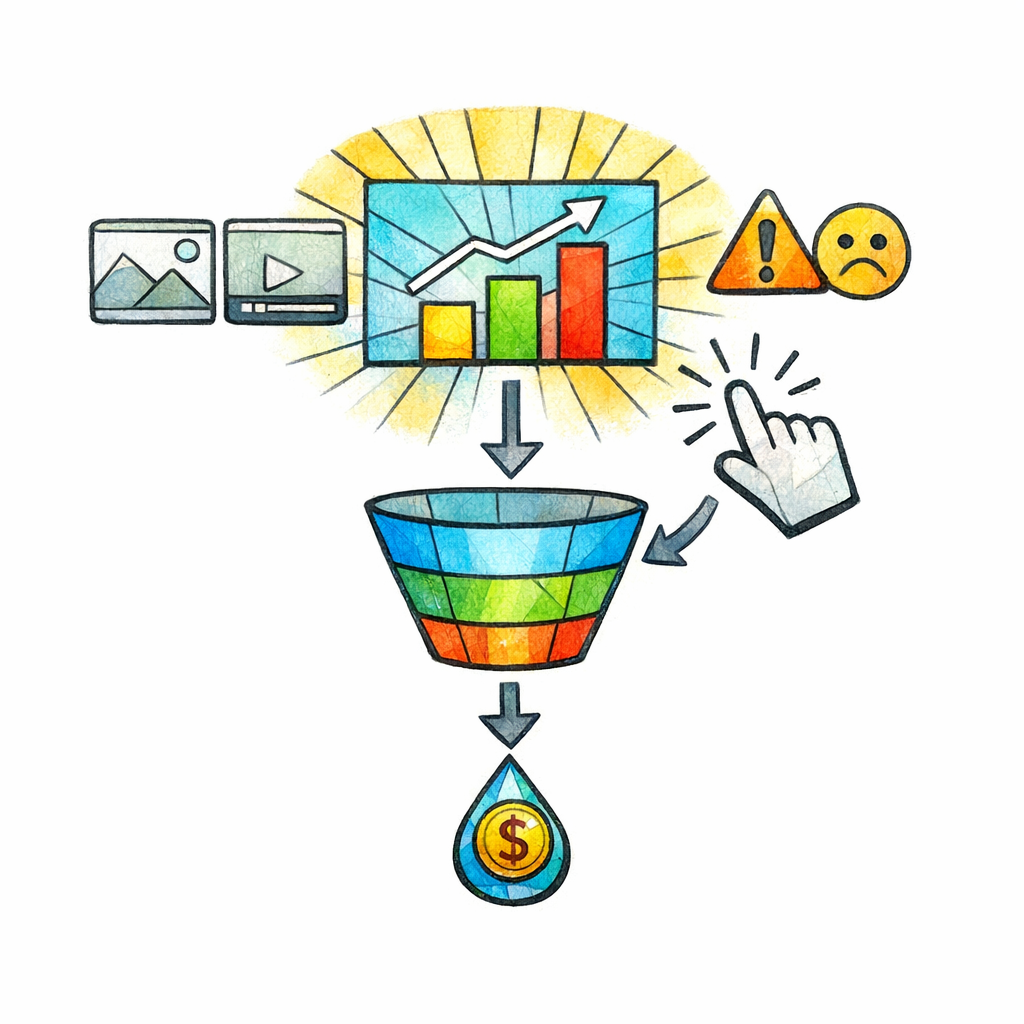
If you are a home services company or a regional brand, local SEO is often where a full-service SEO agency earns its keep. That work usually includes location architecture, service-area logic, location page standards, review workflows, and profile governance.
Those efforts need to align with Google Business Profile guidelines. For a plumbing company, dental group, law firm, or multi-location service brand, this is not a side quest. It is core revenue infrastructure.
Reporting is another dividing line. A serious agency should be able to translate Search Console Performance report metrics such as clicks, impressions, CTR, and average position into business decisions about pages, geographies, offers, and lead quality. If reporting stops at screenshots and branded keyword wins, you are not buying strategy. You are buying decoration.
What an SEO content agency typically owns

An SEO content agency usually begins with search demand and publishing economics. It maps keywords into topic clusters, turns those clusters into page plans, and builds briefs that writers, editors, and reviewers can actually execute.
Keyword research, topical maps, briefs, editorial production
This is where seo content services differ from broad creative services. The work is not just “write blogs.” It is deciding which pages deserve transactional intent, which pages should capture comparison intent, which pages can support local expansion, and which supporting articles build authority around the money pages.
For home services, that may mean service pages, city pages, seasonal guides, financing pages, and problem-solution articles. For SaaS, it may mean feature pages, integration pages, alternatives pages, use-case clusters, and educational resources that support demand generation. For legal and healthcare, it often means carefully reviewed libraries that explain complex topics in a way real people can trust.
Content optimization, refreshes, internal linking

The best content-led partners do not stop at publishing. They refresh aging pages, improve headers and intros, tighten search intent alignment, repair cannibalization, and build internal links so that your strongest pages help weaker pages compete.
This is one of the biggest reasons buyers choose outsourced SEO content over a generalist retainer. Content is not valuable because it exists. It becomes valuable when it is maintained, connected, and updated in a way that compounds instead of decays.
A strong seo content writing service also understands brand voice, conversion moments, and operational consistency. If every page feels like it was written by a different universe of freelancers, rankings are not your only problem. Trust is.
GEO/AEO readiness and AI-answer visibility

Content-led SEO partners are usually better at producing answer-shaped pages. They know how to write concise definitions, comparison pages, FAQs, and tightly structured sections that make it easy for searchers and machines to understand what the page is about.
That does not mean they own every technical aspect of AI visibility. It means they are often stronger at the editorial habits that support it: cleaner headings, direct answers near the top, useful summaries, source-backed claims, and content refreshes when the market changes.
If your team keeps asking for more visibility in AI answers, comparison queries, or long-tail educational searches, a content-led partner is often closer to the real bottleneck than a broader SEO vendor. The issue is usually not “we need more strategy.” It is “we need more publishable assets, better structured assets, and a repeatable system to keep them current.”
Side-by-side comparison of deliverables

An SEO agency usually goes wider. It thinks in terms of crawl paths, templates, implementation tickets, link profiles, location governance, analytics, and cross-functional prioritization. Its strategic depth comes from being able to see the entire search system at once.
Strategy depth
An SEO content agency usually goes deeper into topics and production. It thinks in terms of page portfolios, search intent gaps, editorial calendars, brief quality, refresh schedules, and how to cover a category thoroughly enough to win more than one keyword at a time.
If your leadership team wants one partner to quarterback the whole search channel, choose breadth. If your leadership team already knows what to say but cannot ship enough high-quality pages, choose depth.
Timelines to impact
On timing, there is one useful reality check: Google says SEO results may take from four months to a year after improvements are implemented. So if a vendor promises fast certainty, smile politely and back away from the altar.
In practice, the first visible gains depend on where the bottleneck lives. A full-service SEO agency may create earlier movement when indexing, architecture, or local execution is broken. A content-led SEO partner may create more durable compounding when the site is healthy but under-published.
This is why buyers get confused by timelines. Both partner types can honestly say they improve SEO. They just move different levers first.
Reporting and KPIs
Full-service agencies tend to report across the whole search program. Expect visibility trends, technical issue movement, local pack progress, lead tracking, page-group performance, and recommendations tied to implementation status.
SEO content agencies tend to report more directly on production and content performance. Expect coverage growth, pages shipped, rankings tied to new and refreshed content, content-driven entrances, assisted conversions, and which clusters are proving commercially useful.
If you care most about lead generation, ask both partner types the same hard question: how will you connect page-level work to qualified pipeline, booked jobs, signed cases, demos, or revenue? If the answer gets foggy, keep shopping.
Cost structure and team composition
How much should you expect to pay for SEO? There is no holy rate card descending from the clouds. Pricing follows scope, complexity, publishing velocity, stakeholder load, and how much senior thinking you need every month.
A broader SEO agency retainer usually prices in more specialties: strategist, technical lead, analyst, local SEO owner, account management, and sometimes off-page support. A content-led SEO retainer usually concentrates spend around research, briefs, editorial management, writing, editing, optimization, and publishing workflow.
How much does an SEO agent cost? Ask a better question: what work is actually included, what velocity is guaranteed, and which roles are dedicated versus theoretical? Buyers get burned when they compare sticker prices instead of comparing outputs.
Which model fits your business type?

If you run HVAC, plumbing, electrical, roofing, garage door, or pest control, your choice usually comes down to local complexity versus content volume. If locations, map visibility, service-area logic, reviews, and technical basics are messy, start with a full-service SEO agency.
Home services
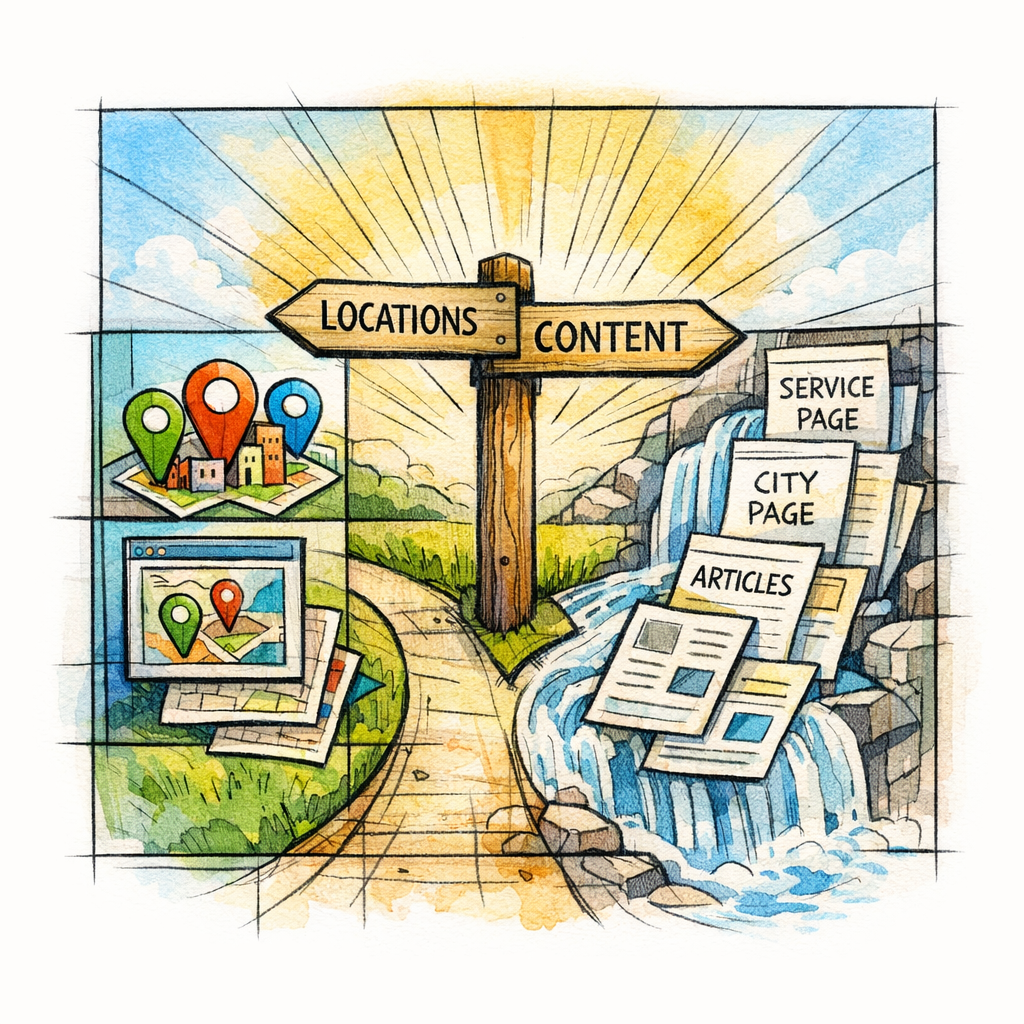
If those basics are already under control and you need more service pages, city pages, financing pages, maintenance content, and lead-generation articles, an SEO content agency can move faster. Home services brands often win when they use a broad SEO partner for governance and a content-led partner for scale.
Healthcare
Healthcare and health-adjacent brands should bias toward accuracy, review systems, and operational discipline. If your challenge is site complexity, migration risk, or enterprise coordination, a full-service SEO agency is often safer.
If your challenge is building a trustworthy content library around conditions, treatments, patient questions, software categories, or platform education, a content-led SEO partner is often the better fit. In healthcare, speed without review is reckless. But review without throughput is also a growth ceiling.
Legal
Law firms and legal service brands need pages that match real intent: practice areas, jurisdiction pages, attorney pages, FAQs, and high-stakes comparison content. A full-service SEO agency makes sense when local competition is intense, the site is technically messy, or leadership wants one accountable owner.
A content-led SEO partner makes sense when the main opportunity is coverage. If you need a disciplined stream of practice-area pages, city pages, supporting articles, and conversion-focused legal content, outsourced SEO content often creates the clearest path to more qualified search entry points.
SaaS
SaaS teams often benefit from a content-led model sooner than they expect. Integration pages, use-case pages, alternatives pages, feature education, glossary content, and comparison assets can create meaningful long-tail demand even before brand volume catches up.
Choose the broader SEO agency first if the website has structural problems, faceted navigation issues, migration plans, or a measurement stack nobody trusts. Choose the content-led SEO partner first if product marketing knows the story but the content backlog is growing faster than the team can ship.
Multi-location brands
Multi-location businesses often need both models, just not at the same moment. If location governance, templates, internal duplication, and local SEO standards are inconsistent, start with the agency that can impose structure.
Once that foundation is set, a content-led partner becomes powerful for market expansion. That is especially true when you need localized landing pages, city-specific service pages, and a publishing engine that can support growth across regions without turning every page into the same bland clone.
When a full-service SEO agency is the better choice

- You have major technical debt, indexing confusion, or a redesign or migration on the horizon.
- You need one strategic owner across technical SEO, local SEO, reporting, and implementation prioritization.
- Your executives want accountability at the channel level, not just page production.
- You depend heavily on map visibility, multi-location governance, or complex attribution.
- You need off-page strategy, digital PR, or stronger authority building alongside on-site improvements.
- Your team is small and needs a partner who can coordinate with developers, designers, and leadership.
When a content-led SEO partner is the better choice

- Your site is basically healthy, but publishing is too slow to capture available demand.
- You need a repeatable flow of service pages, comparison pages, landing pages, articles, and refreshes.
- Your in-house marketers understand the audience but cannot keep up with the content backlog.
- You care about topical authority, long-tail coverage, and converting more search intent into entry pages.
- You want stronger briefs, tighter editorial control, and more efficient content operations.
- You are less worried about audits and more worried about getting high-quality pages live every week.
Common mistakes and misconceptions

- “An SEO content agency just writes blogs.” Not if it is good. The real value is the system around briefs, search intent, refreshes, internal linking, and page prioritization.
- “A full-service SEO agency is always better because it does more.” More scope is not automatically more value. If your real bottleneck is content throughput, extra services can become expensive wallpaper.
- “Rankings are the whole story.” Rankings matter, but lead quality, page intent, and conversion path matter more for a commercial buyer.
- “AI makes partner choice less important.” The opposite is true. Cheap drafting is easy. Quality control, review systems, and editorial judgment are the scarce assets now.
- “One retainer should solve every search problem forever.” Smart companies phase their needs. What you need during cleanup is not always what you need during scale.
When the smartest move is outsourcing the content pipeline

This is the moment many teams miss. Sometimes you do not need a broader SEO agency or a larger in-house team. You need a production engine that can take strategy, turn it into briefs, turn briefs into pages, and keep those pages improving without burning out your staff.
That is especially true when your marketers already understand the audience, offers, and conversion goals. The gap is not ideas. The gap is consistent execution across dozens or hundreds of assets.
For home services brands, that can mean service-area pages, repair pages, replacement pages, and seasonal education. For healthcare and legal, it can mean reviewed content libraries that balance clarity with accuracy. For SaaS, it can mean comparison pages, integration pages, glossary terms, and educational content tied to product discovery.
This is where Content God fits naturally. Yes, the name still raises eyebrows. But when the content pipeline is the bottleneck, a partner built for content generated on demand can be more useful than a broad agency pretending to do everything equally well. Omniscience is optional. Reliable throughput is not.
Outsourcing the content pipeline makes the most sense when strategy already exists, technical risk is manageable, and the business needs more quality pages live than the current team can ship. It also makes sense for agencies and marketing teams that understand SEO but need fulfillment support behind the scenes.
Questions to ask before hiring either partner

- What exactly will you deliver in the first 90 days? Ask for outputs, not intentions.
- Who owns prioritization? You need to know who decides what gets fixed, written, refreshed, or published first.
- Who is responsible for implementation? Strategy without execution pathways creates pretty decks and slow growth.
- How do you build keyword maps and briefs? Ask to see a real example, not a sanitized pitch version.
- How do you report on business outcomes? Do not accept keyword screenshots as a substitute for lead logic.
- What is your publishing workflow? Research, drafting, editing, review, approval, upload, internal linking, refreshes.
- How do you handle AI? Ask what it does in their process, what humans still own, and how they protect accuracy and brand standards.
- How do you support high-trust industries? Especially for healthcare and legal, ask about review steps and revision control.
- What are your red flags? Guaranteed rankings, vague deliverables, suspicious link promises, and generic content samples should end the conversation quickly.
- What happens if we outgrow you? The best partner has an answer for scale, specialization, and handoff.
Final recommendation framework

If you want a simple decision tree, use this one. It is not mystical. It is just practical.
- Pick a full-service SEO agency if your main problems are technical, local, cross-functional, or measurement-related.
- Pick an SEO content agency if your main problems are content velocity, topical coverage, refresh cadence, and page production.
- Phase both if you need cleanup first and scale second. This is common for multi-location, legal, healthcare, and established home services brands.
- Outsource the content pipeline if you already know what should be written but your team cannot publish enough high-quality pages consistently.
- Stay in-house for now if conversion tracking is broken, offers are unclear, or leadership has not aligned on goals. Agency work cannot redeem strategic chaos.
Is it worth hiring an SEO agency? Yes, when complexity has exceeded your internal capacity. Is it worth hiring an SEO content agency? Absolutely, when the site could grow faster if someone simply shipped the right pages at the right level of quality. The wiser hire is the one that matches the real constraint.
What to do next

- List your top three search bottlenecks: technical, local, reporting, authority, or content production.
- Audit your current page inventory and find where intent coverage is missing.
- Decide whether the next 12 months require broader oversight or faster publishing.
- Ask every potential partner for first-quarter deliverables and sample outputs.
- Demand clarity on reporting, implementation ownership, and review workflow.
- Choose the model that removes the biggest bottleneck first, not the model with the longest service menu.
- If your strategy is clear but your backlog is growing, prioritize outsourced SEO content before you pile on more meetings.
Get a free SEO audit today!

If you are still deciding between a full-service SEO agency and a content-led SEO partner, an audit can tell you which problem is actually suppressing growth. Sometimes the answer is technical debt. Sometimes it is local SEO sprawl. Sometimes it is simply that your team has not published nearly enough of the pages your market is already searching for.
That is where Content God can help without pretending to be the answer to every earthly problem. If your real need is a stronger content engine, we can show you where the gaps are and what a sane, scalable pipeline should look like. Get a free SEO audit today!
And if you are done waiting for rankings to descend by miracle alone, stop praying for better search results — download your free copy of the SEO Bible and learn the true path to SEO Salvation.

