



AEO for Local and Service Brands: How to Show Up in AI Overviews and Voice Results
You are not imagining it. “SEO” is no longer just blue links, rankings, and a handful of rich results. More and more, searchers are asking questions and getting answers, and your job is to become the brand those systems trust to quote, summarize, and recommend.
Before we begin: yes, we’re called Content God. It was supposed to mean “Content Generated on Demand.” We didn’t notice the whole “God” thing until it was too late, and we apologize to anyone who expected a choir robe and got a content calendar instead.
Now that we’ve repented, let us preach. Because if AI Overviews and voice assistants are the new pulpits, you want your brand’s answers to be the scripture they read aloud. This guide is for home services, healthcare, legal, BPO, SaaS, e-commerce, and multi-location brands that need more leads, more calls, and more qualified traffic from modern search experiences.
What AEO is (and why local and service brands should care)
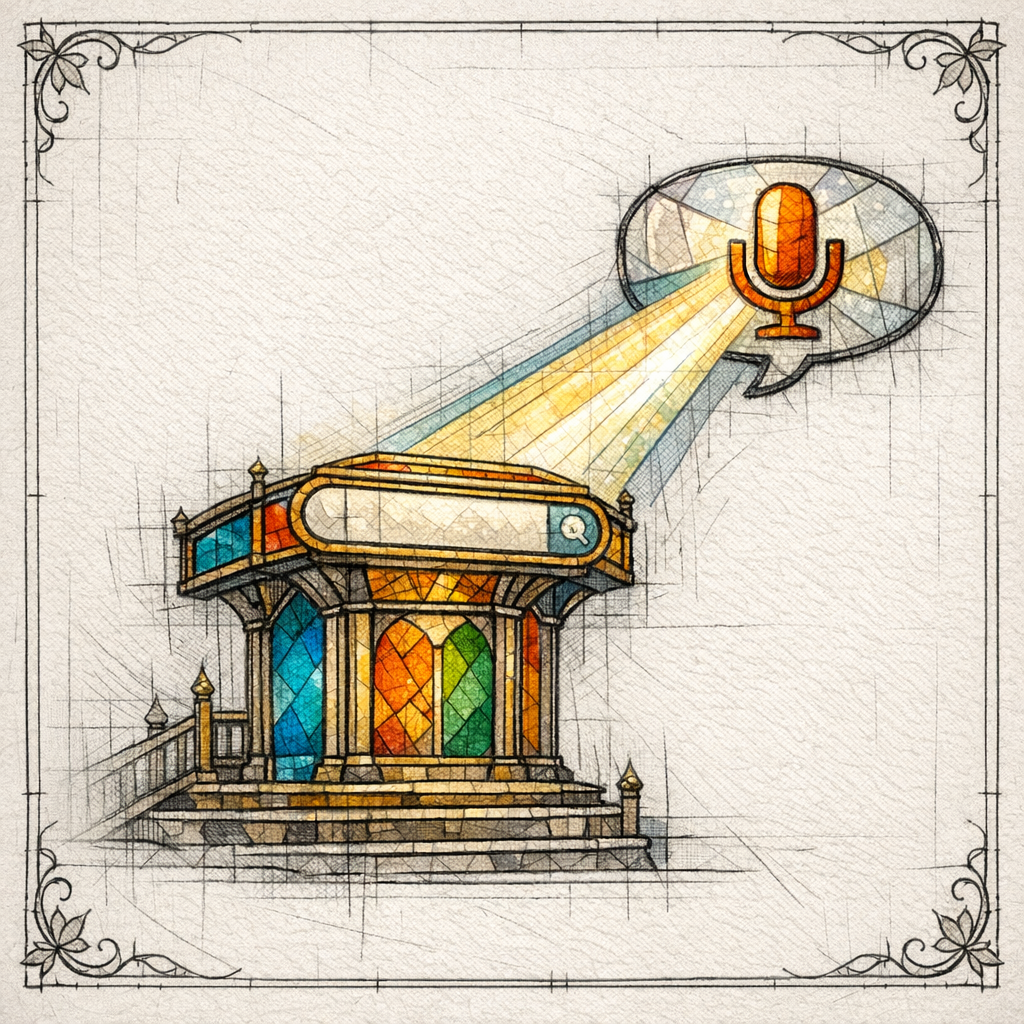
Answer Engine Optimization (AEO) is the practice of structuring your content so search systems can confidently extract, summarize, and attribute clear answers to real questions. In plain terms: you are not only trying to “rank.” You are trying to be the chosen source that gets referenced when the engine decides the user wants an answer, not a list.
AEO matters most when the query implies urgency, trust, or a next step, which is basically the entire business model of service brands. “Do I need a new water heater?” “What does a personal injury lawyer cost?” “What are the side effects?” “Is this software HIPAA compliant?” These are answer-shaped questions, and they are increasingly being handled by answer-shaped search features.
What changed (what’s new with AI Overviews and the modern SERP)
Google is increasingly showing AI Overviews in Google Search, which are AI-generated summaries that appear for some queries and point to supporting sources. This changes what “winning” looks like because the user may get what they need without scrolling through ten results.
Voice interfaces raise the bar even more. When a device speaks a single response, the winner is often the clearest, most directly usable answer, not the longest article. If your content is vague, bloated, or missing key context, it becomes hard for machines to quote and hard for humans to trust.
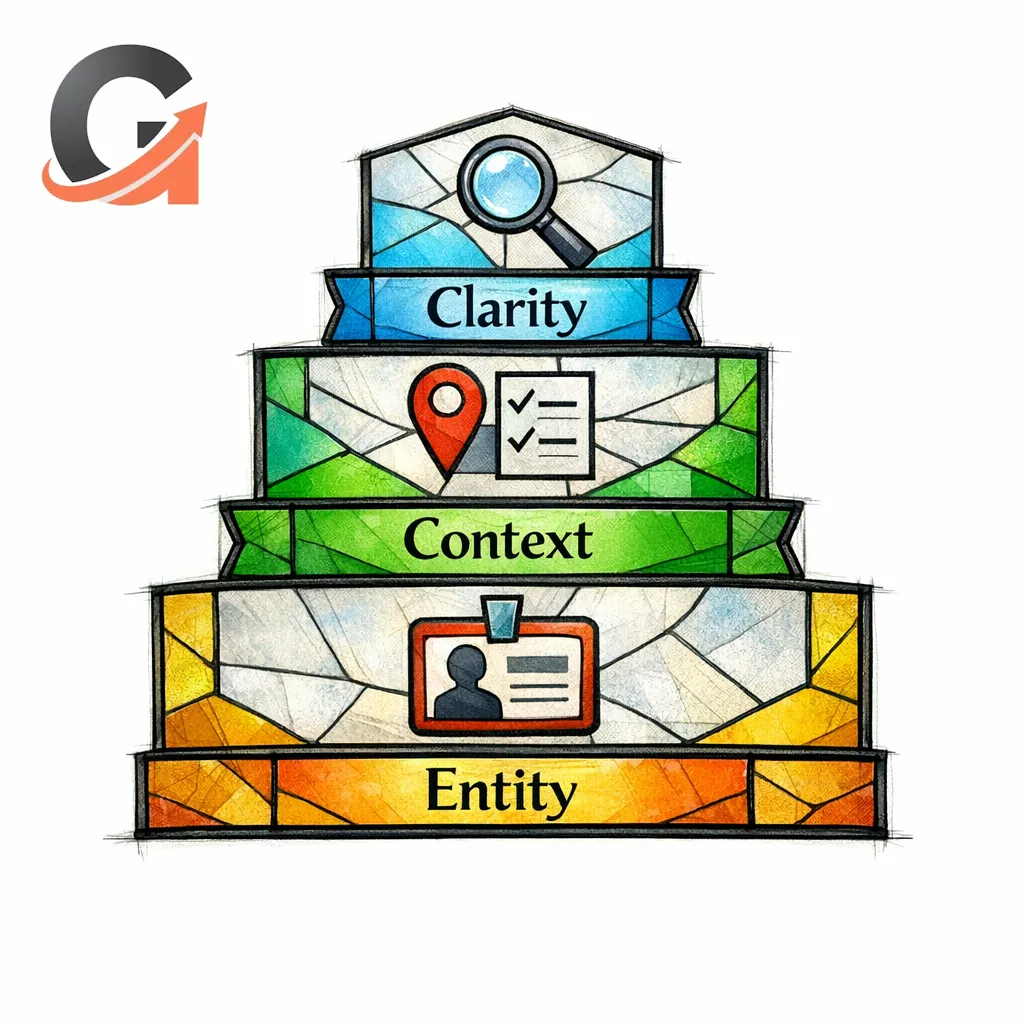
How answer engines decide what to quote (the three layers you must nail)
1) Clarity: can the system extract a clean answer quickly?
If your page forces a reader to hunt for the point, an answer engine will struggle too. You want question-aligned headings, direct answers near the top, and tight definitions that do not require interpretation.
This is the same principle behind content that earns featured snippets: simple formatting, clear structure, and language that maps to the query. Even when you do not win a snippet, you are training your site to be “quotable,” which is the currency of AEO.
2) Context: does the answer include the “it depends” details people actually need?
Great answers are not just short. They are complete. For local and service brands, completeness usually means including constraints like location, service area, pricing ranges (when appropriate), timelines, safety considerations, and when to call a professional.
For healthcare and legal topics, it also means extra care around accuracy and trust, because these categories can affect a person’s health, finances, or safety. Google’s own Search Quality Rater Guidelines describe how evaluators assess content quality and trust for “Your Money or Your Life” topics, which is a useful lens even if you are not in medicine or law.
3) Entity signals: can the engine tell who you are and what you do?
Answer engines do not just read pages. They try to understand entities: organizations, services, locations, people, and concepts. Google explains its approach to understanding and organizing information on its How Search Works page, and the practical takeaway is simple: be explicit about your name, your offerings, and your geography.
If you serve multiple cities, your content should not treat location as an afterthought. Your pages should state what you do, where you do it, and who it is for, in language a human and a machine can both parse.
The AEO foundation for local and service brands (the “be found” commandments)
Build one “primary answer page” per core service
If you want AI Overviews and voice results to select you, you need pages that are clearly about one thing. A page titled “Services” that lists 19 offerings with two sentences each is not a page. It is a directory. Create a dedicated page for each money service: “AC repair,” “tankless water heater installation,” “roof replacement,” “termite treatment,” “garage door spring repair,” and so on.
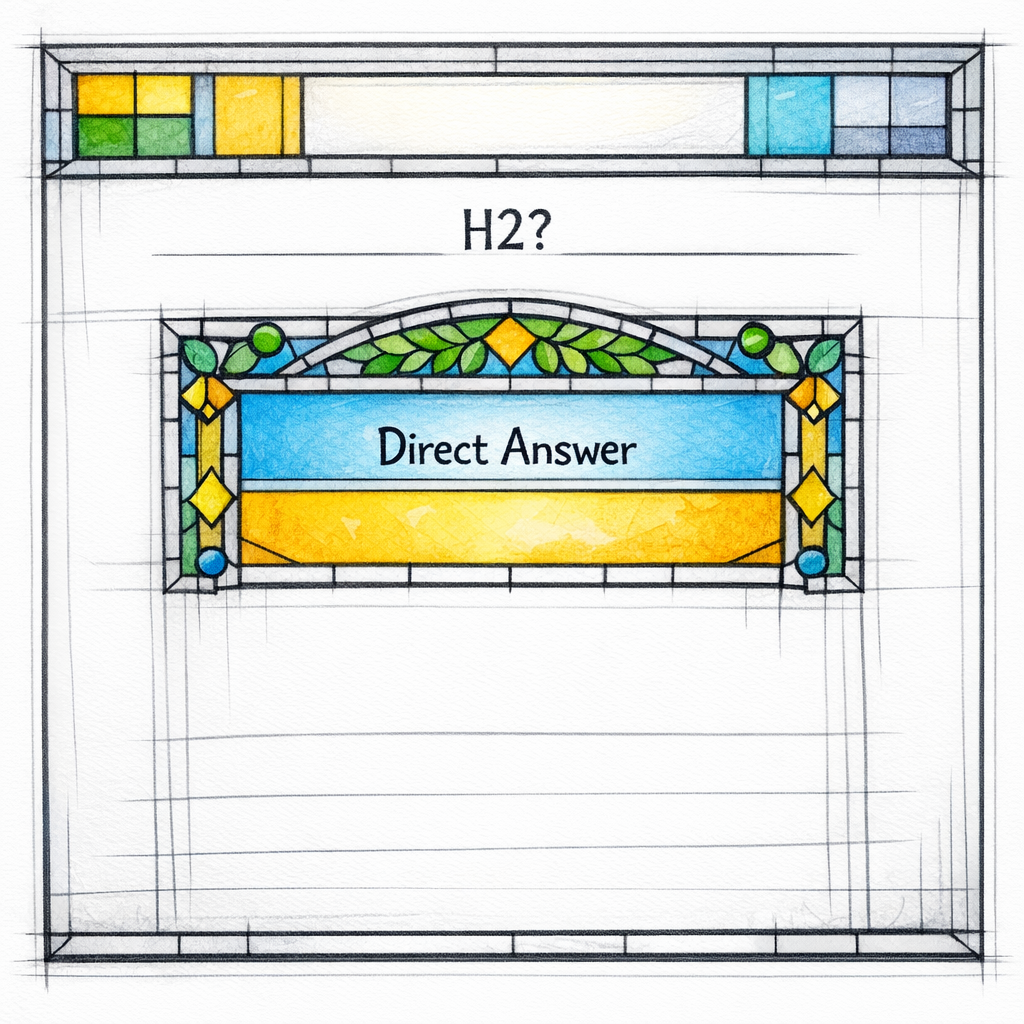
On each page, include a short, direct answer block near the top that states what the service is, who it’s for, and what outcome it delivers. Then expand into details, scenarios, and FAQs.
Anchor your local legitimacy
Local AEO is not only content. It is also proof. Your business should have consistent location signals and a strong profile in the ecosystems that power local discovery.
Google states that local rankings are influenced by relevance, distance, and prominence, which is why your presence needs to match the exact services and areas you want to be known for. Your pages, your on-site copy, and your business profile should agree on the basics: business name, service categories, and service area language.
Write like a human asks (not like a keyword list)
Voice and AI queries trend conversational: “How much does it cost to replace a breaker panel?” “Should I call an emergency plumber?” “Is this symptom serious?” “Is this contract enforceable?” Your job is to mirror the question in the heading, then answer it in one to three sentences before you elaborate.
If you do nothing else in this article, do this: add a short “Direct answer” paragraph under every high-intent question heading. The machine can quote it. The user can trust it. The lead can act on it.
Content patterns that perform in AI Overviews and voice-style queries
The “one-breath answer” (for voice search SEO)
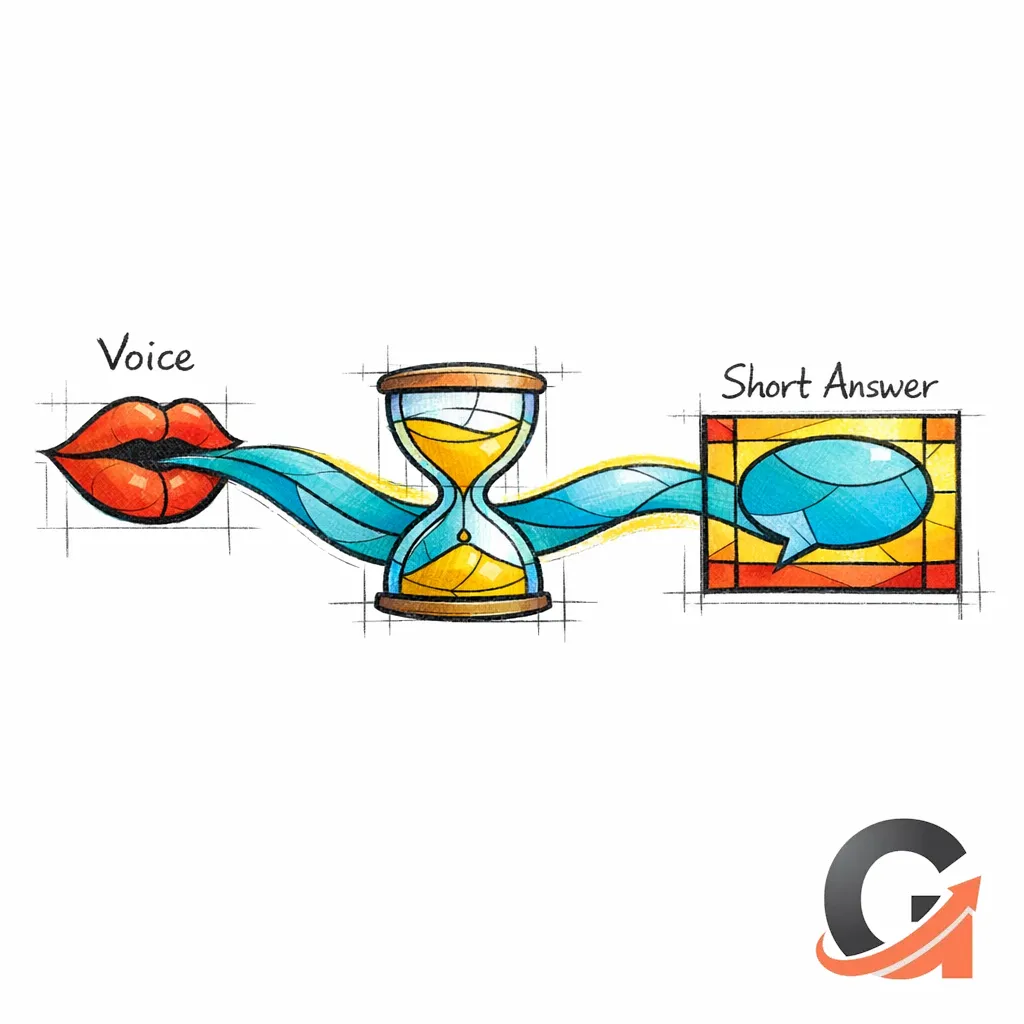
Write a response that can be spoken aloud without losing meaning. Keep it plain-language. Use real-world nouns and verbs. Avoid jargon unless the searcher is likely to use it.
- Question heading: “How long does a roof replacement take?”
- One-breath answer: “Most roof replacements take 1 to 3 days, but timing depends on roof size, weather, and how much decking needs repair.”
- Then expand: steps, what can extend timelines, and what the homeowner should do to prepare.
The “cost range + drivers” block (for service leads)
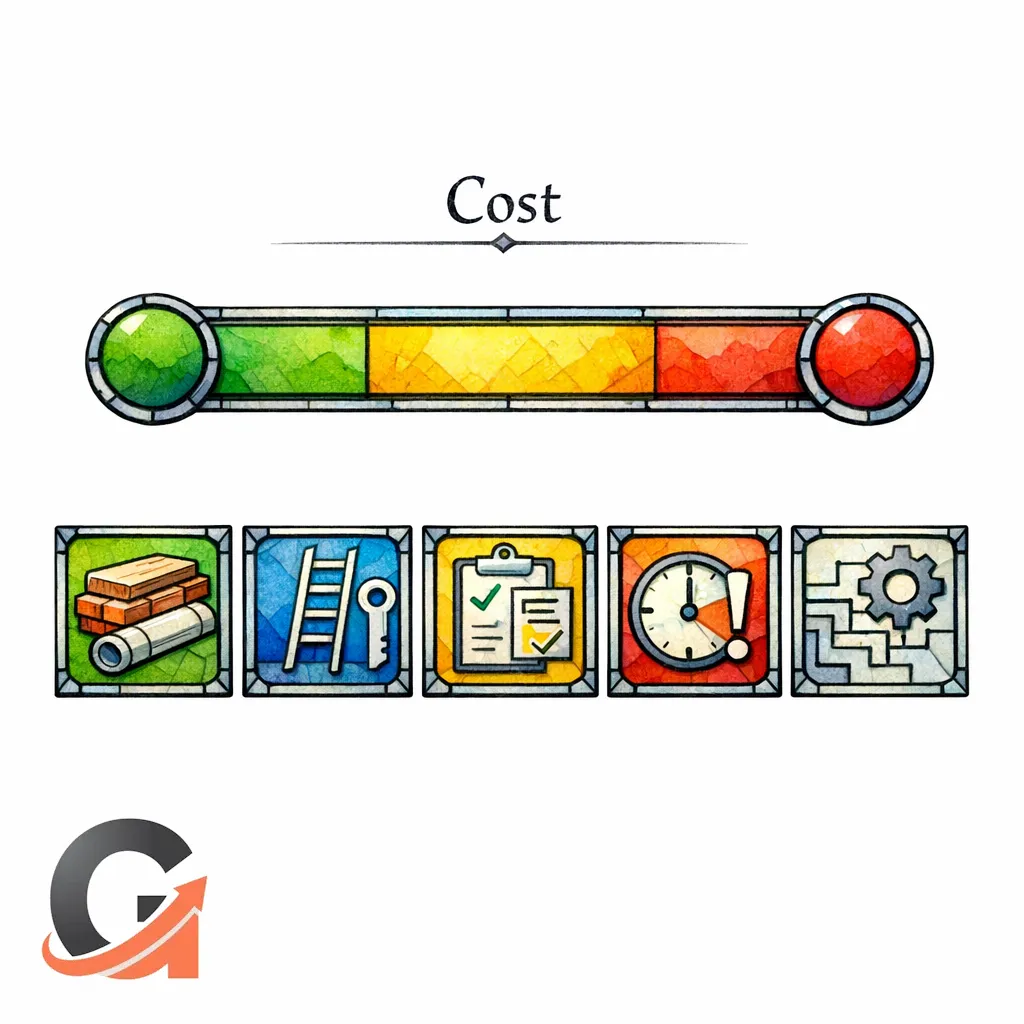
Cost questions are where service brands either win trust or lose the lead. Even if you cannot give an exact price, you can explain what controls the price. This is AEO-friendly because it answers the real question behind the question: “What will make this expensive?”
- Provide a realistic range when your market allows it.
- List 3 to 6 cost drivers (materials, access, permitting, urgency, complexity).
- Include a next step that reduces uncertainty (inspection, estimate, consult).
The “is it worth it?” comparison
AI Overviews often surface comparison-style content because it resolves indecision. Build pages or sections that compare options users actually choose between: repair vs replace, ductless vs central, metal vs shingle, DIY vs pro, subscription tiers, or “software A vs software B.”
Keep comparisons fair and specific. If your comparison is secretly a sales pitch, it will read like one, and trust is the real ranking factor in the kingdom of answers.
Structured data and FAQs: what still works (and what to stop doing)
Structured data is how you label meaning so machines do not have to guess. Google’s documentation on structured data and Search appearance is the canonical reference for what is eligible for enhanced results and how to implement it correctly.
FAQPage schema: use it carefully and for the right sites
FAQ content can be excellent for AEO because it mirrors how people ask questions. But the SEO impact of FAQ markup has changed. Google’s own FAQPage structured data guidance explains that FAQ rich results availability is limited and that eligibility depends on site type and other factors.
For healthcare and health-adjacent brands, FAQPage can still align with how your audience searches and how authoritative sites are expected to present information. For many local home services sites, the safer posture is: write great FAQs for users first, and treat markup as an implementation detail, not a shortcut to visibility.
If you do implement it, make sure you are using the correct vocabulary from Schema.org’s FAQPage type and that the visible content on the page matches the markup. Marking up content that is not actually present is not optimization. It is a trust violation.
Entity-based SEO for local: become the obvious “known thing” in your market
Entity-based SEO is not mystical. It is the discipline of making your brand unambiguous. When an answer engine sees your company name, your services, your locations, and your expertise signals repeated consistently, it becomes easier to treat you as a reliable source.

- Be consistent: Use the same business name, service naming, and location naming across your site.
- Be specific: “Emergency electrician in Phoenix” is clearer than “electrical solutions.”
- Be attributable: Put real authorship and credentials where they matter, especially for healthcare and legal content.
This is where many brands fail: they publish content that is “about” a topic but does not clearly state the company’s role, scope, and relevance. The engine cannot confidently connect the answer to your business, so it finds someone else’s words to bless.
Common AEO mistakes (and the misunderstandings behind them)
Mistake: treating AEO as “just add FAQs”
FAQs are a format, not a strategy. If your service page does not clearly explain the service, outcomes, timelines, and next steps, adding 12 FAQs at the bottom is like adding stained glass to a building with no foundation.
Mistake: publishing “SEO content” that never answers the money question
Local and service brands often write informational posts that get traffic but not calls. AEO fixes that by forcing you to answer the conversion-driving questions: cost, urgency, risk, suitability, and process. If the page cannot help someone decide what to do next, it is not an answer. It is entertainment.
Mistake: vague location targeting
If you serve three counties and five cities, say so plainly. Create service-area pages where appropriate, but do not spin thin “near me” clones. The goal is clarity and usefulness, not copy-paste omnipresence.
Mistake: trying to “game” trust
Trust is earned by accuracy, transparency, and consistency. If you are in healthcare, legal, or anything that touches safety, you cannot fake expertise. Even for home services, exaggerated claims and bait-and-switch pricing destroy the exact signals answer engines need to recommend you.
A practical AEO workflow for busy teams (home services, healthcare, legal, SaaS)
You do not need a 40-page strategy deck. You need a repeatable system that produces answer-ready assets. Here is a simple operating rhythm that works whether you are a single-location contractor or a multi-location brand with an internal marketing team.
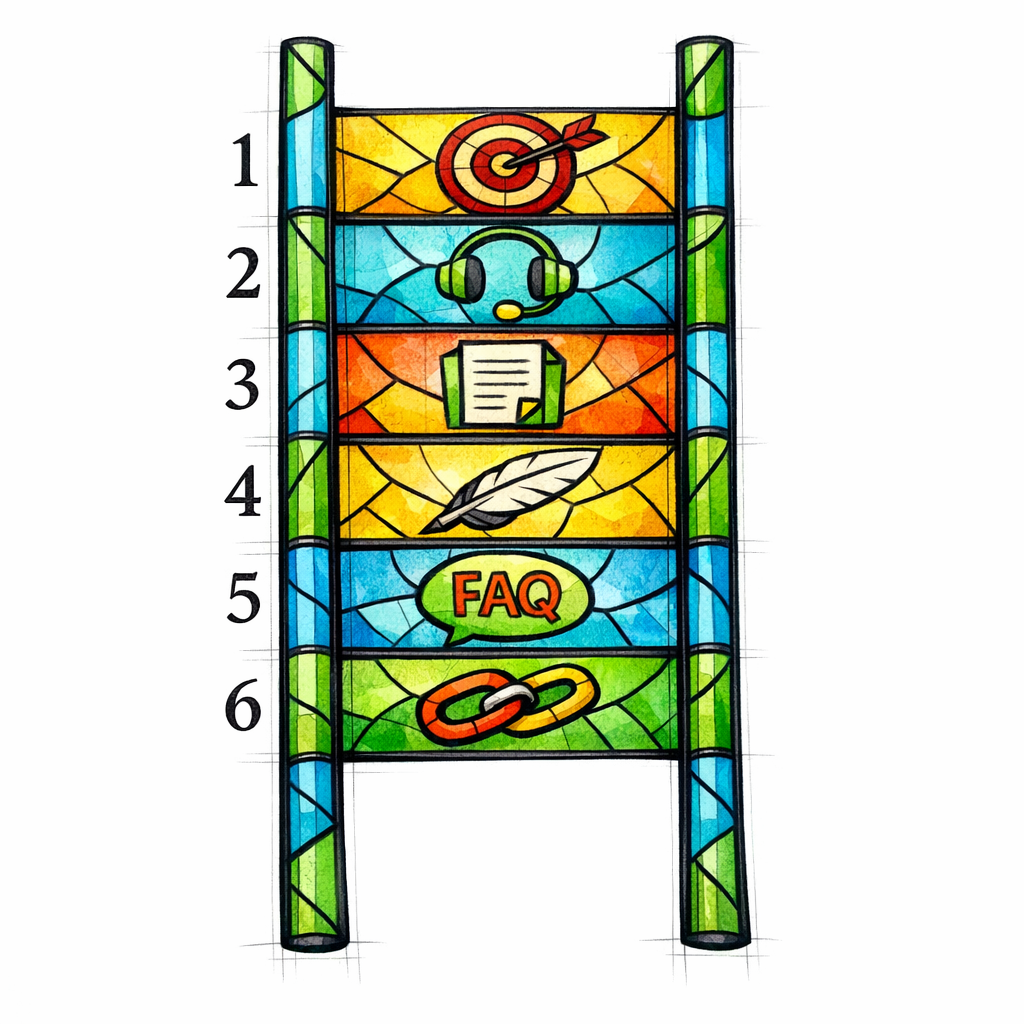
- Step 1: Choose one core service + one city/region target (if local) for the month.
- Step 2: Gather the top 15 real questions from calls, chats, intake forms, and sales notes.
- Step 3: Create or upgrade the main service page with direct-answer blocks.
- Step 4: Publish 2 to 4 supporting articles that each answer one high-intent question.
- Step 5: Add a short FAQ section to the service page that links to deeper answers.
- Step 6: Update your internal linking so the service page is the hub.
Do this consistently and you will notice a compounding effect: your site becomes more coherent, your content becomes easier to quote, and your pages become more aligned with the questions prospects actually ask before they call.
What to do next (AEO checklist you can execute this week)
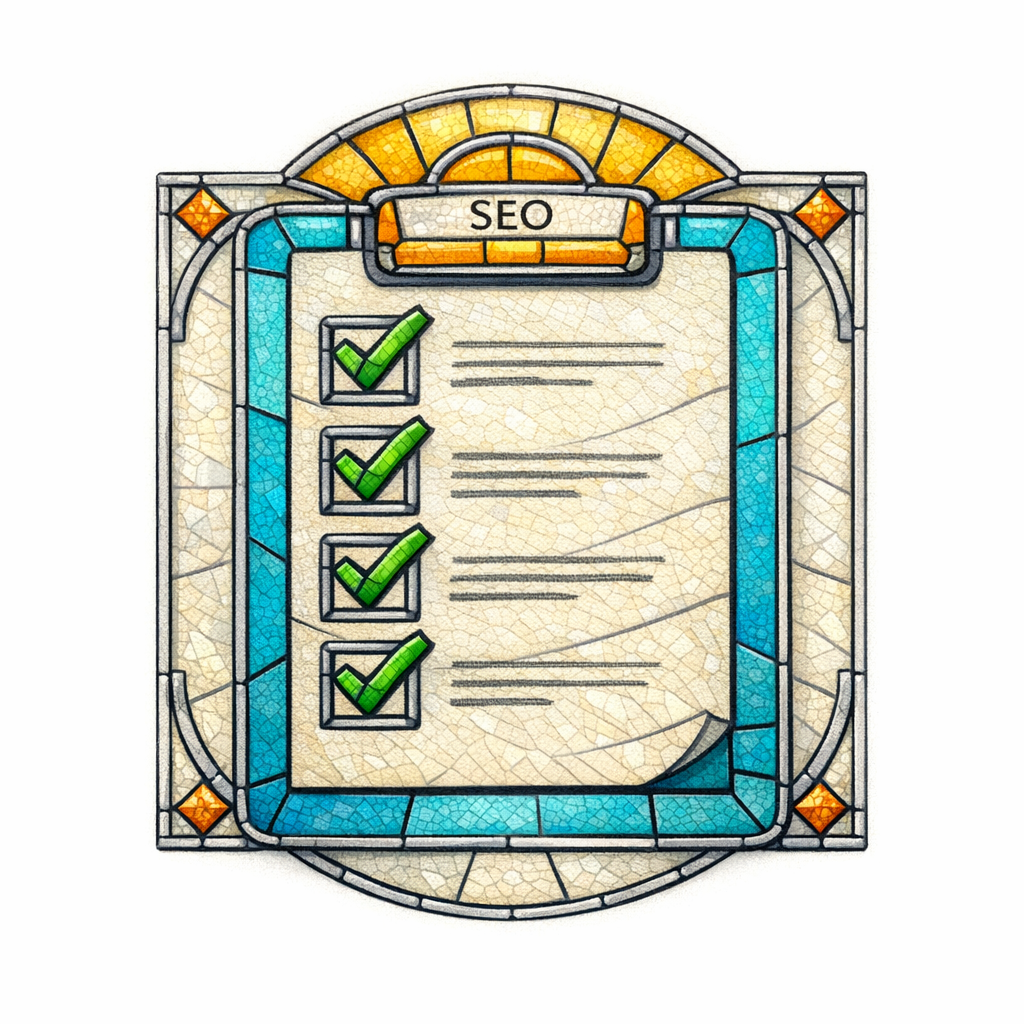
- Pick your top 3 revenue services and ensure each has a dedicated page with a direct-answer paragraph near the top.
- Add 5 to 10 question-based headings to each service page (cost, timing, warning signs, repair vs replace, warranties).
- Rewrite answers to be “one breath” first, then expand with detail below.
- Confirm your location/service language is consistent across your site and your business profile.
- For healthcare and legal content, add visible author credentials and clear editorial review practices.
- Implement structured data only when it matches visible content and you can maintain it over time.
- Track which questions drive calls and booked appointments, then publish more answers in that family.
Get a free SEO audit today!
If you want to show up in AI Overviews and voice-style results, you need pages that are quotable, trustworthy, and unmistakably tied to your services and locations. Content God can audit your current service pages and content structure, then tell you exactly where your site is unclear, where you are leaking leads, and which answers you should publish next.
Get a free SEO audit today! And if you are ready to stop guessing and start following the doctrine, Stop praying for better search results — download your free copy of the SEO Bible and learn the true path to SEO Salvation.